
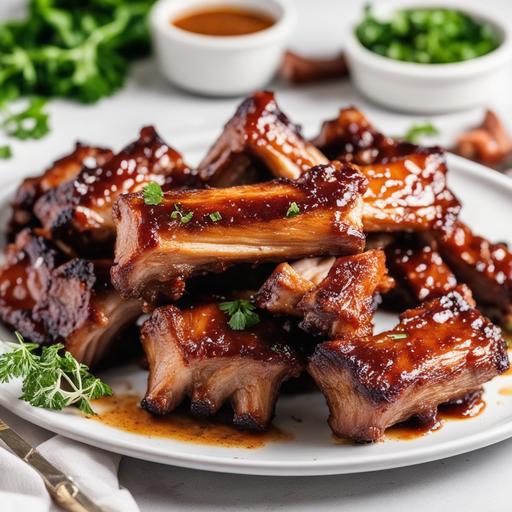
How To Cook Pork Riblets In Air Fryer [FULL GUIDE]
Recommended Equipments:
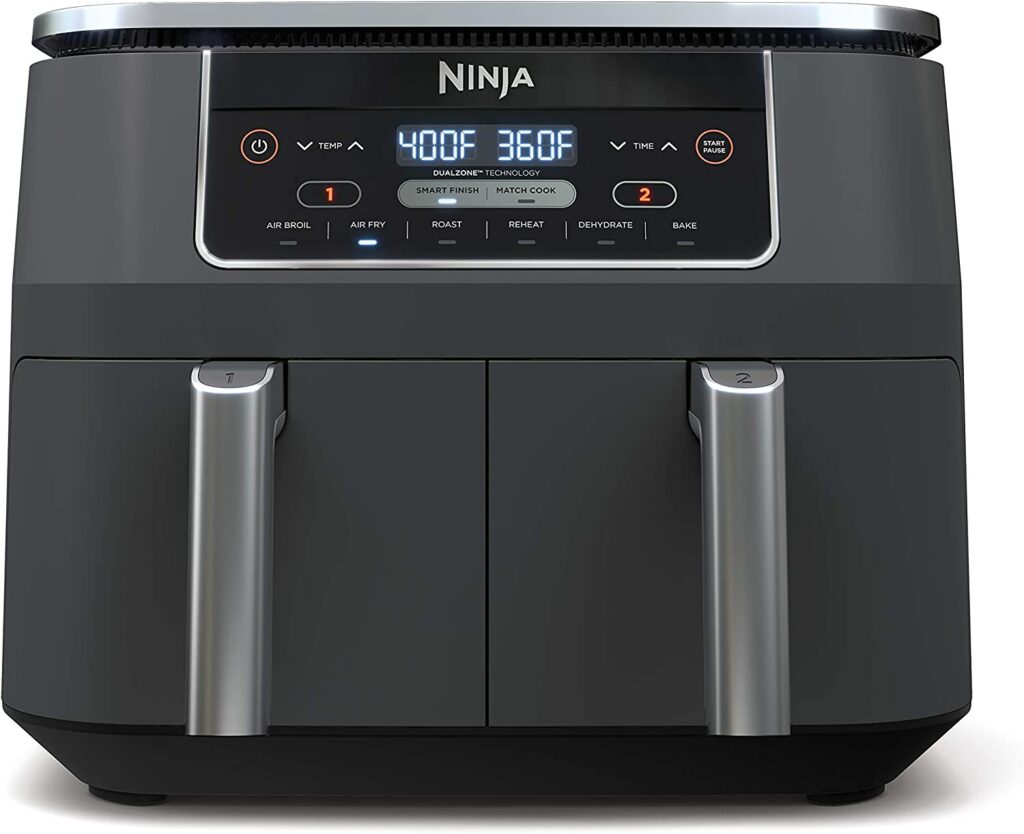
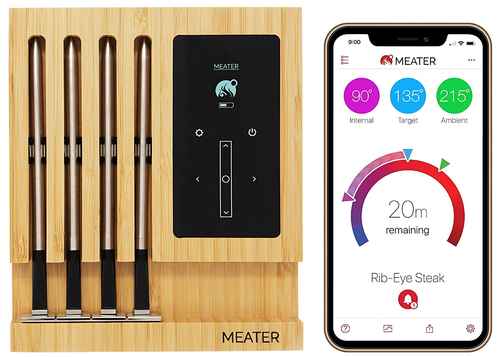
Pork riblets are a delicious, tender, and flavorful cut that, when cooked correctly, deliver a perfect balance of succulence and crispiness. Traditionally slow-cooked or grilled, these small, meaty bones can now achieve the same mouthwatering results in a fraction of the time using an air fryer. The magic of air frying lies in its ability to circulate hot air at high speeds, creating a crispy exterior while locking in juices, all without the excess oil of traditional frying. Whether you’re a busy home cook or a culinary enthusiast seeking a foolproof way to enjoy riblets any day of the week, mastering air fryer pork riblets is both satisfying and remarkably simple-once you understand the nuances of temperature, time, and technique.
Optimal Air Fryer Temperature To Cook Pork Riblets In Air Fryer
Temperature is the single most critical factor in achieving tender yet crispy pork riblets. For most air fryers, the optimal cooking temperature is 375°F (190°C). This temperature is hot enough to render the fat, crisp the edges, and caramelize any marinade or rub, while still gentle enough to allow the meat near the bone to remain juicy and tender.
Cooking at lower temperatures, such as 325°F (163°C), can yield very tender riblets, but the exterior may lack that sought-after golden-brown crispiness. Conversely, cooking at higher temperatures like 400°F (204°C) will accelerate browning but risks drying out the meat if not carefully monitored.
The trick is finding the sweet spot where the Maillard reaction-the chemical reaction responsible for browning and flavor development-occurs without overcooking the inner meat. For most home cooks, 375°F for small to medium riblets is ideal.
How Long To Cook Pork Riblets In Air Fryer
Cooking time depends on the size and thickness of the riblets, but a reliable guideline is 18-22 minutes, flipping halfway through.
- Small riblets: 16-18 minutes
- Medium riblets: 18-20 minutes
- Large riblets: 20-22 minutes
Halfway through cooking, it’s essential to turn the riblets to ensure even browning and crispiness on all sides. Unlike traditional ovens or grills, the air fryer’s circulating air can create hot spots, so flipping ensures no side is undercooked or overly charred.
How To Tell If It Is Done
Determining doneness is crucial because overcooked riblets become dry and chewy, while undercooked meat can pose health risks. Use these indicators:
- Internal Temperature: Use a meat thermometer. Riblets should reach 145°F (63°C) for safe consumption, followed by a brief rest.
- Visual Cues: The exterior should be golden brown with slightly caramelized edges.
- Texture Test: The meat should pull away from the bone easily but still remain moist and tender. If it resists, it needs more time.
Ingredients Needed
To prepare air fryer pork riblets, you will need:
- 1-1.5 pounds pork riblets (small or medium)
- 1-2 tablespoons olive oil (or another neutral oil)
- 1-2 teaspoons salt
- 1 teaspoon black pepper
- 1 teaspoon smoked paprika
- 1 teaspoon garlic powder
- Optional: chili powder, brown sugar, or your favorite BBQ rub for extra flavor
- Optional: BBQ sauce for glazing
These ingredients provide a balance of flavor, crispiness, and a slight caramelization when cooked at the proper temperature.
How To Cook Pork Riblets In Air Fryer
- Preheat the air fryer: Set it to 375°F (190°C) for 3-5 minutes.
- Prepare the riblets: Pat dry with a paper towel to remove excess moisture. Brush lightly with oil and season with salt, pepper, and other spices.
- Arrange in the basket: Place riblets in a single layer with space between them for proper air circulation. Avoid overcrowding.
- Cook: Air fry at 375°F for 18-22 minutes, flipping halfway through.
- Optional glazing: For BBQ riblets, brush your favorite sauce during the last 3-5 minutes of cooking to prevent burning.
- Rest: Remove from the air fryer and let rest for 3-5 minutes before serving. This allows juices to redistribute and ensures tenderness.
What If I Use A Different Air Fryer Temperature?
- Lower temperature (325-350°F): Meat will cook more gently, producing extra-tender riblets, but the exterior may not brown as nicely. You may need to increase cooking time by 5-10 minutes.
- Higher temperature (400°F+): You’ll get faster caramelization and crispiness, but risk drying the meat if not monitored. Reduce cooking time slightly and check doneness frequently.
What If I Use A Different Air Fryer Cooking Time?
- Shorter time: Riblets may be undercooked near the bone; always check internal temperature.
- Longer time: Meat will dry out and lose its tenderness. Adjust seasoning or brush with a bit of oil/BBQ sauce if cooking longer than recommended.
When Things Go Wrong
Even with air fryers, mistakes happen:
- Riblets are dry: Likely cooked too long or at too high a temperature. Reduce heat and time next attempt, and consider adding a light marinade or glaze.
- Not crispy enough: Increase temperature slightly in the last 3-5 minutes or flip more often.
- Uneven cooking: Avoid overcrowding the basket and always flip halfway through.
Expert Tips
- Trim excess fat to prevent smoking in the air fryer.
- Dry the riblets before seasoning for better crisping.
- Marinate overnight for maximum flavor penetration.
- Use a meat thermometer to avoid over- or undercooking.
- Experiment with glazes applied in the final minutes to prevent burning while enhancing flavor.
- Air fryer basket liners or parchment paper with holes can prevent sticking without blocking airflow.
FAQs
What Temperature Should I Set My Air Fryer To Cook Pork Riblets?
For cooking pork riblets in an air fryer, preheat the appliance to 375°F (190°C). This temperature allows the riblets to cook evenly and develop a slightly crispy exterior while remaining tender inside.
How Long Do Pork Riblets Take To Cook In An Air Fryer?
Pork riblets generally take 20-25 minutes to cook in an air fryer, depending on their size and thickness. It is recommended to flip them halfway through the cooking process to ensure even browning and thorough cooking.
Should I Marinate Pork Riblets Before Air Frying Them?
Marinating pork riblets is optional but highly recommended. A marinade can enhance flavor and tenderness. Common ingredients include soy sauce, garlic, honey, and spices. Allow riblets to marinate for at least 30 minutes or up to 4 hours for best results.
Do I Need To Use Oil When Cooking Pork Riblets In An Air Fryer?
A small amount of oil is beneficial to help achieve a crispy exterior. Lightly brush the riblets with 1-2 teaspoons of vegetable oil or spray them with cooking spray. The air fryer’s circulating hot air will do the rest.
How Can I Tell If The Pork Riblets Are Fully Cooked?
The internal temperature is the most reliable indicator. Pork riblets should reach an internal temperature of 145°F (63°C). Additionally, the meat should be tender and the edges slightly browned and crisp.
Can I Cook Frozen Pork Riblets In An Air Fryer?
Yes, you can cook frozen riblets in an air fryer. Increase the cooking time by 5-10 minutes compared to fresh riblets and ensure they are fully thawed or partially thawed to allow even cooking. Flip them halfway through for best results.
Should I Cover The Air Fryer Basket When Cooking Pork Riblets?
It is not necessary to cover the air fryer basket. Air fryers are designed to circulate hot air around the food, producing a crispy exterior. Covering the basket could prevent proper air circulation and affect the texture.