How To Make Jerky In Air Fryer [FULL GUIDE]
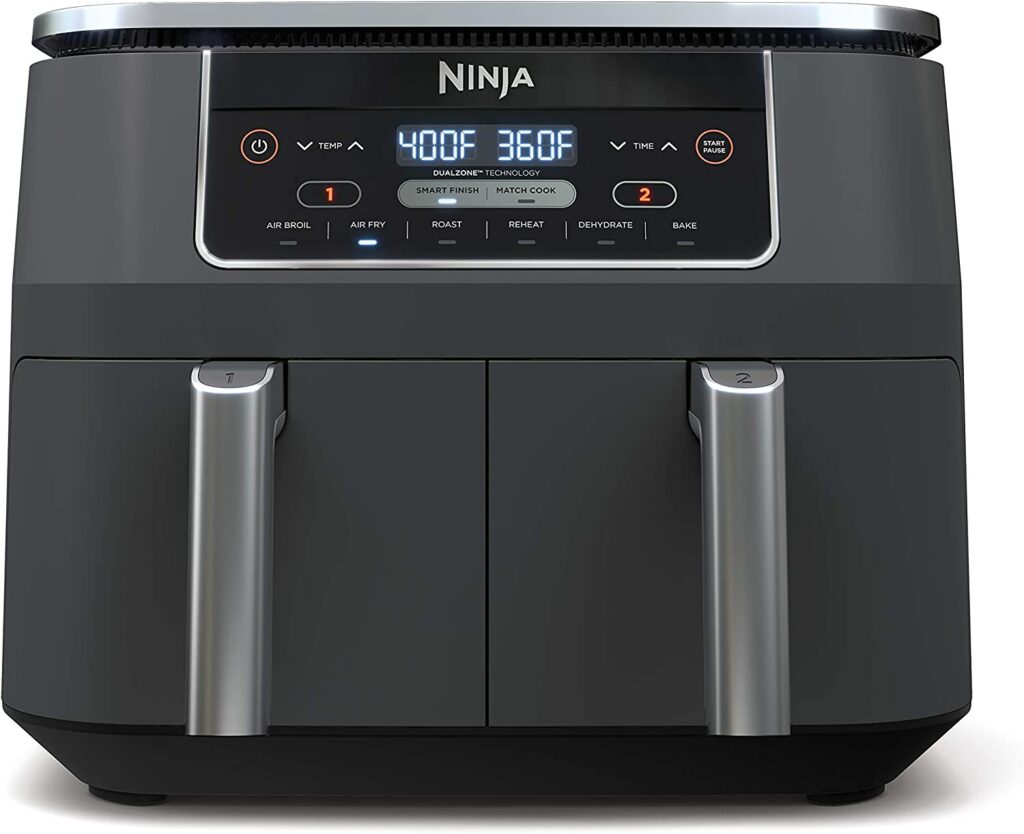
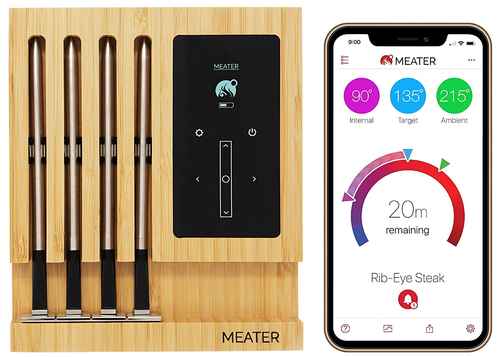
Recommended Equipments:
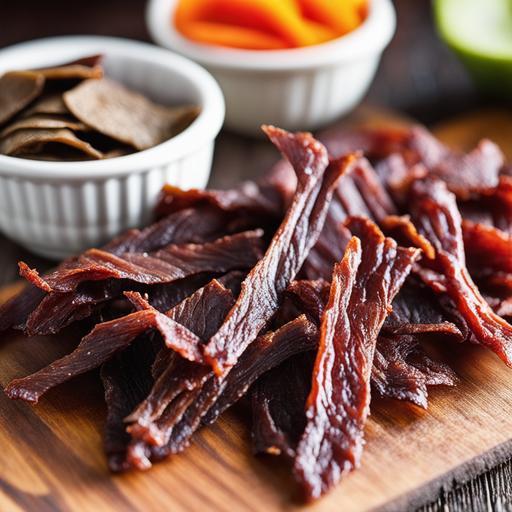
Jerky-a protein-packed, flavorful snack-has been enjoyed for centuries, evolving from a simple method of preserving meat to a culinary art form. Traditionally smoked or dehydrated over hours, modern kitchens now have an exciting shortcut: the air fryer. With its rapid, circulating heat, an air fryer can produce tender yet chewy jerky in a fraction of the time of traditional methods. However, mastering air fryer jerky is more than just tossing meat into a basket-it requires precise temperature control, careful timing, and a keen understanding of how to achieve the perfect texture. This guide dives deep into everything you need to know to make irresistible jerky at home using your air fryer.
Optimal Air Fryer Temperature To Make Jerky In Air Fryer
Temperature is the cornerstone of air fryer jerky. Too high, and the meat may dry out unevenly or burn on the edges; too low, and it will remain soft, risking spoilage. Most experts agree that the ideal temperature range for air fryer jerky is between 160°F (71°C) and 180°F (82°C). This low-and-slow approach allows moisture to evaporate gradually, leaving the meat firm, chewy, and intensely flavored. Some air fryers may fluctuate slightly, so it’s essential to monitor both your device’s temperature and the meat itself. Starting at the lower end can help prevent overcooking, especially for thinner cuts.
How Long To Make Jerky In Air Fryer
Air fryer jerky does not have a one-size-fits-all cooking time-it depends on the thickness of the meat, the air fryer model, and the specific cut. Typically, thinly sliced strips (about 1/8 to 1/4 inch) require 2 to 3 hours at 160-170°F. Thicker cuts may take closer to 3.5 hours. Patience is key: jerky is done not when it looks dry, but when it achieves a leathery texture with slight pliability. Frequent checking during the final stages helps prevent overcooking.
How To Tell If It Is Done
Determining doneness requires both observation and tactile inspection. Properly cooked jerky should:
- Be dry to the touch, with no pockets of moisture.
- Bend slightly without breaking; it should crack but not snap like a brittle chip.
- Have uniform color throughout the slice, with no raw or pink areas (unless using certain cured meats intentionally).
- Tear rather than cut easily with a knife.
A quick tip: if you can fold a strip in half and it bends without breaking and there’s no visible moisture, it’s likely done.
Ingredients Needed
While the beauty of jerky lies in its simplicity, seasoning is what transforms meat into a savory treat. Basic ingredients include:
- Lean meat: Beef, turkey, chicken, or venison. Look for cuts with minimal fat for best results.
- Soy sauce: Provides saltiness and depth of flavor.
- Worcestershire sauce: Adds umami and subtle tang.
- Brown sugar or honey: For a touch of sweetness and caramelization.
- Spices: Black pepper, garlic powder, onion powder, smoked paprika, or chili flakes for heat.
- Optional ingredients: Liquid smoke for smoky aroma, hot sauce for a spicy kick, or ginger for an exotic twist.
Marination is critical-meat should soak in the mixture for 4 to 24 hours to fully absorb flavor.
How To Make Jerky In Air Fryer
- Prepare the meat: Trim all visible fat and slice into thin, even strips. For easier slicing, partially freeze the meat for 30-45 minutes.
- Marinate: Combine your sauces, spices, and sweeteners. Place meat in the marinade, ensuring each piece is coated evenly. Refrigerate for at least 4 hours.
- Preheat the air fryer: Set the temperature to 160-170°F. Preheating ensures even dehydration from the start.
- Arrange meat: Lay strips in a single layer in the air fryer basket. Avoid overlapping to allow optimal air circulation.
- Cook: Air fry for 2-3 hours, flipping halfway through for uniform drying. Monitor closely during the last 30 minutes.
- Cool and store: Let jerky cool completely before storing in an airtight container. It will continue to dry slightly as it cools.
What If I Use A Different Air Fryer Temperature?
Raising the temperature above 180°F can shorten cooking time but risks uneven drying or burning edges. Dropping below 150°F significantly prolongs cooking, and meat may remain unsafe if not dehydrated properly. Fine-tuning the temperature based on your air fryer’s performance is often necessary; consider using a food thermometer to ensure internal temperatures reach at least 160°F for safety with poultry.
What If I Use A Different Air Fryer Cooking Time?
Shorter cooking times may leave jerky too moist, increasing the risk of spoilage, while excessively long times can produce brittle, flavorless jerky. Always check periodically-visual and tactile inspection is more reliable than blindly following a timer. Adjusting time in 15-30 minute increments is safer than large leaps.
When Things Go Wrong
Even careful air fryer jerky attempts can go awry. Common issues include:
- Too chewy or rubbery: Likely undercooked or sliced too thick. Increase cooking time slightly.
- Brittle or hard: Overcooked. Reduce temperature or time next batch.
- Uneven drying: Possibly overlapping pieces or inconsistent slice thickness. Ensure single-layer arrangement and uniform cuts.
- Off flavors or odors: Could be spoiled meat or excessive marination time. Always use fresh ingredients and store jerky properly.
Expert Tips
- Slice against the grain for a more tender bite or with the grain for a chewier texture.
- Use a wire rack if your air fryer basket is dense-this improves airflow around each strip.
- Rotate trays in multi-layer air fryers for even drying.
- Store jerky properly: In an airtight container, jerky lasts 1-2 weeks at room temperature, or up to 3 months in the fridge. Freezing extends shelf life even further.
- Experiment with flavors: Don’t be afraid to mix spices and sauces. Small adjustments can create completely new jerky profiles.
FAQs
What Type Of Meat Is Best For Making Jerky In An Air Fryer?
Lean cuts of meat are ideal for making jerky because they dry more efficiently and reduce the risk of spoilage. Popular choices include beef top round, sirloin, flank steak, and venison. Trim all visible fat, as fat does not dehydrate well and can cause the jerky to spoil faster.
Do I Need To Marinate The Meat Before Air Frying?
Yes, marinating is recommended. A marinade adds flavor and can help tenderize the meat. Common ingredients include soy sauce, Worcestershire sauce, brown sugar, salt, black pepper, garlic powder, and smoked paprika. Marinate the meat for at least 4-6 hours or overnight for the best flavor penetration.
What Temperature Should I Set On My Air Fryer To Make Jerky?
Most air fryers should be set to a low temperature between 160°F to 180°F (70°C to 82°C). This low heat ensures the meat dehydrates evenly without cooking too quickly, which preserves the texture and flavor of the jerky.
How Long Does It Take To Make Jerky In An Air Fryer?
The dehydration process in an air fryer generally takes between 2 to 4 hours, depending on the thickness of the slices, the type of meat, and the air fryer model. Thinner slices will dry faster, while thicker slices may require more time. It’s important to check periodically to prevent over-drying.
Should I Flip The Jerky During Cooking?
Yes, flipping the jerky halfway through the drying process helps ensure even dehydration. Arrange the slices in a single layer without overlapping and turn them occasionally to avoid soggy or unevenly dried spots.
How Do I Know When The Jerky Is Done?
Jerky is done when it is dry, firm, and slightly pliable. It should not snap in half, but it should not be soft or moist in the center. A properly dried jerky will bend and crack slightly without breaking completely.
How Should I Store Air Fryer Jerky To Maintain Freshness?
Store jerky in an airtight container at room temperature for short-term use (1-2 weeks). For longer storage, use vacuum-sealed bags or store in the refrigerator for up to a month. Freezing jerky can extend shelf life to several months. Always ensure the jerky is fully cooled before storing to prevent condensation and spoilage.