
How To Boil An Egg In Air Fryer [FULL GUIDE]
Recommended Equipments:
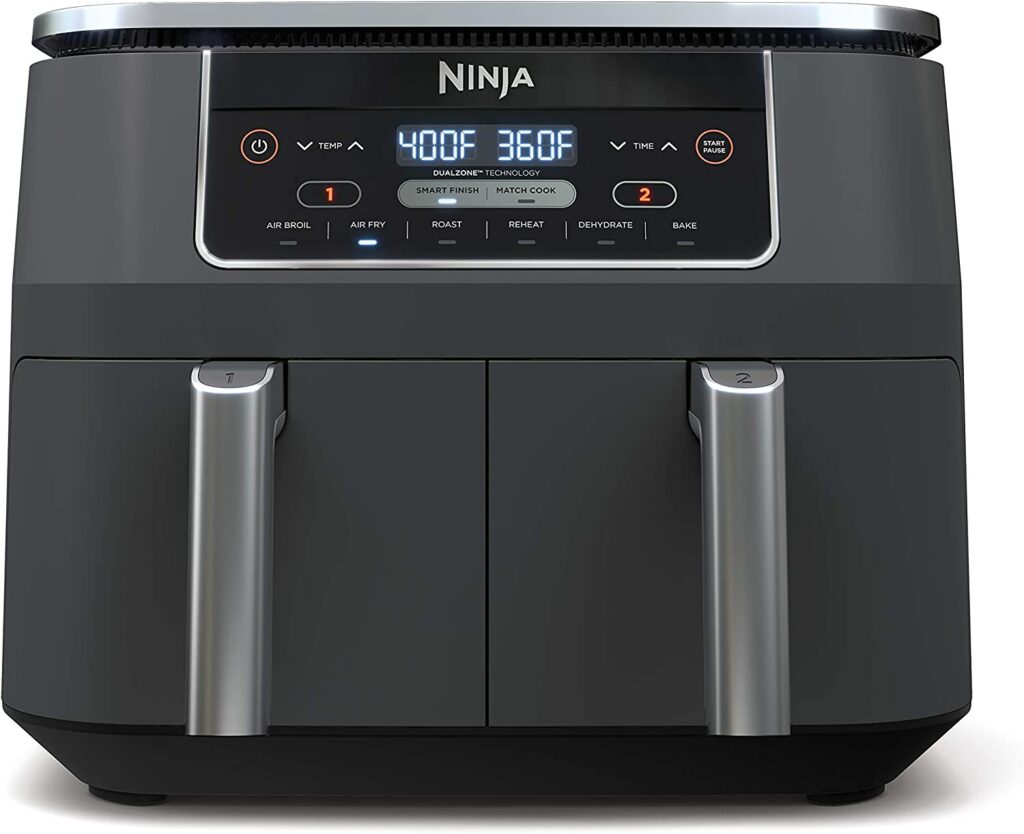
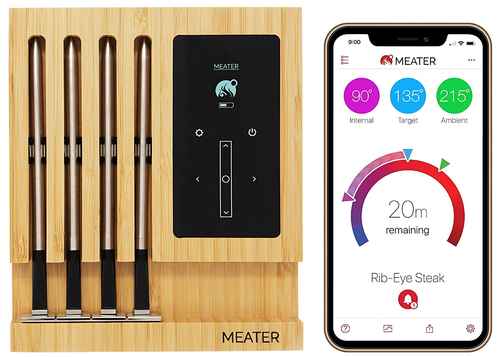
Boiling eggs is a kitchen ritual that spans cultures and cuisines, providing a simple yet versatile source of protein. Traditionally, eggs are boiled in water on a stovetop, requiring careful timing and monitoring to achieve the desired level of doneness. But in recent years, air fryers-once celebrated solely for their ability to crisp foods with minimal oil-have become a surprisingly effective tool for cooking eggs. Air fryer ’boiled’ eggs offer convenience, consistency, and a mess-free method that eliminates the need for pots, water, or hot stovetops. With the correct technique, eggs can be cooked to perfection, whether you prefer them soft, medium, or hard-cooked. This guide dives deeply into the optimal methods, times, and temperatures to achieve the perfect air-fried boiled egg every time.
Optimal Air Fryer Temperature To Boil An Egg In Air Fryer
Air fryers operate using rapid hot air circulation, which essentially bakes the egg rather than submerging it in water. The key is finding a temperature high enough to cook the egg through the shell but not so high that it cracks the shell or overcooks the interior.
Most culinary experts recommend setting your air fryer to 270°F-300°F (132°C-149°C). This temperature range gently cooks the egg, allowing heat to penetrate evenly. Temperatures below 270°F can result in undercooked yolks, while temperatures above 300°F increase the likelihood of cracked shells or rubbery whites. Maintaining consistency in temperature ensures the egg cooks uniformly, producing the smooth, creamy texture that makes air-fried boiled eggs so appealing.
How Long To Boil An Egg In Air Fryer
Cooking time depends on your preferred yolk consistency. Unlike water boiling, air fryer eggs require precise timing because air fryers cook by convection, which can slightly vary depending on model and basket size. Approximate cooking times are as follows:
- Soft-boiled: 9-11 minutes. The yolk remains runny, and the white is just set.
- Medium-boiled: 12-14 minutes. The yolk is partially set, creating a custard-like texture.
- Hard-boiled: 15-17 minutes. The yolk is fully cooked and firm, perfect for slicing or making deviled eggs.
Remember, air fryer models differ in efficiency; checking your first batch to calibrate your timing for future eggs is recommended.
How To Tell If It Is Done
Since the air fryer doesn’t allow for traditional spinning or shaking methods, checking doneness relies on a combination of visual cues and tactile feedback:
- Soft-boiled: The egg will feel slightly softer when gently pressed between your fingers (without squeezing too hard). The shell may show tiny, faint cracks if cooked unevenly.
- Medium-boiled: The egg will feel firmer overall but still slightly springy in the center.
- Hard-boiled: The egg should feel uniformly firm with no give when lightly pressed.
For absolute certainty, cracking open one test egg after the first batch is an excellent way to verify doneness before committing a larger batch.
Ingredients Needed
Boiling eggs in an air fryer is delightfully minimalistic. You only need:
- Fresh eggs – As many as will comfortably fit in your air fryer basket in a single layer.
- Optional: Cooking spray or a small dish of water (to minimize sticking or cracking, depending on your air fryer model).
No water, salt, or oil is strictly necessary, though some cooks lightly spray eggs to reduce friction and prevent shell cracking.
How To Boil An Egg In Air Fryer
- Preheat the air fryer: Set it to 270-300°F (132-149°C) for a few minutes. Preheating ensures even cooking.
- Prepare eggs: Place eggs directly in the basket, ensuring they aren’t stacked or touching to allow proper air circulation.
- Cook: Select the desired time based on doneness preferences (9-17 minutes).
- Cool rapidly: Once cooked, immediately transfer eggs to an ice water bath for 5-10 minutes. This halts cooking, makes peeling easier, and prevents overcooking.
- Peel and enjoy: Gently tap eggs on a hard surface, roll to crack the shell, and peel under running water for a smooth finish.
What If I Use A Different Air Fryer Temperature?
Altering the temperature changes the cooking dynamics:
- Lower temperature (below 270°F / 132°C): Eggs may cook unevenly, with whites firming up while yolks remain undercooked. Longer cooking times may compensate, but consistency can be difficult.
- Higher temperature (above 300°F / 149°C): The eggs cook faster but risk cracking or developing a rubbery texture. The rapid heat can also produce a gray-green ring around the yolk, signaling overcooking.
Maintaining the recommended range ensures balance between yolk and white texture.
What If I Use A Different Air Fryer Cooking Time?
Cooking time is crucial for yolk consistency:
- Shorter time: Results in soft or undercooked yolks. Whites may not fully set, making peeling messy.
- Longer time: Hardens yolks excessively, potentially giving a chalky texture. Overcooking can also cause the infamous sulfur smell.
Always start with the suggested timing for your air fryer model and adjust gradually based on personal preference.
When Things Go Wrong
Even with precision, issues can arise:
- Cracked eggs: Caused by rapid temperature changes. Mitigate by letting eggs sit at room temperature for 10-15 minutes before air frying.
- Gray-green yolk ring: Indicates overcooking. Reduce cooking time slightly and use an ice water bath to stop cooking immediately.
- Rubbery whites: Often due to high temperatures. Lower the air fryer temperature or reduce cook time.
Understanding your air fryer’s nuances through trial and error will minimize these mishaps.
Expert Tips
- Room temperature eggs: Prevents cracking from sudden heat shock.
- Single layer only: Ensures uniform heat distribution.
- Ice bath is essential: Stops cooking instantly and eases peeling.
- Use an egg rack: If available, keeps eggs stable and prevents rolling.
- Mark your eggs: If cooking multiple doneness levels, a small pencil mark differentiates soft, medium, and hard.
FAQs
Can I Really Boil Eggs In An Air Fryer?
Yes, you can cook eggs in an air fryer without using water. While it’s technically not traditional boiling, the air fryer uses hot air to cook the eggs, resulting in a texture similar to hard or soft boiled eggs depending on cooking time.
What Temperature Should I Set My Air Fryer To For Eggs?
Set the air fryer temperature to around 270°F (130°C) for soft boiled eggs or 275-300°F (135-150°C) for hard boiled eggs. The temperature may vary slightly depending on your air fryer model, so it’s advisable to experiment with small batches first.
How Long Should I Cook Eggs In An Air Fryer?
For soft boiled eggs, cook for 9-11 minutes. For medium boiled, cook 12-13 minutes, and for hard boiled eggs, cook 14-16 minutes. These times assume a standard large egg; adjust slightly for smaller or larger eggs.
Do I Need To Preheat The Air Fryer Before Cooking Eggs?
Preheating is optional but recommended for more consistent results. Preheating for 2-3 minutes ensures the eggs cook evenly from the start.
Should I Place The Eggs Directly In The Air Fryer Basket?
Yes, place the eggs directly in the basket without touching each other. You can use a silicone liner or parchment paper to prevent sticking, but it’s usually not necessary as eggs have a smooth shell.
How Do I Prevent The Eggs From Cracking In The Air Fryer?
To reduce cracking, bring eggs to room temperature before cooking, avoid overcrowding the basket, and handle them gently. Some people also lightly prick the larger end of the egg with a pin to release air pressure.
Do I Need To Cool The Eggs After Air Fryer Cooking?
Yes, immediately place the eggs in an ice water bath for 5-10 minutes after cooking. This stops the cooking process, prevents overcooking, and makes peeling the eggs much easier.