
How To Cook Asparagus In Air Fryer [FULL GUIDE]
Recommended Equipments:
Asparagus, often hailed as a springtime delicacy, is a versatile vegetable that lends itself beautifully to a range of cooking methods. Its tender stalks and delicate tips boast a subtle sweetness and earthy undertone, making it a perfect side dish or a component in salads, pastas, and grain bowls. While traditional methods such as steaming or roasting yield delicious results, the air fryer has emerged as a modern culinary game-changer. Using hot circulating air instead of oil immersion, an air fryer delivers a unique combination of crispness and tenderness that enhances asparagus’s natural flavor. Understanding the nuances of temperature, timing, and preparation is crucial for achieving asparagus perfection.
Optimal Air Fryer Temperature To Cook Asparagus In Air Fryer
Temperature plays a pivotal role in cooking asparagus in an air fryer. Too low, and the stalks may remain limp and flavorless; too high, and they risk burning or becoming tough. The optimal temperature range for air frying asparagus generally falls between 375°F (190°C) and 400°F (205°C).
At 375°F (190°C), the asparagus cooks more gently, allowing the natural sugars to caramelize slightly while keeping the interior tender. This is ideal for thicker stalks, which need a little more time to cook evenly. On the other hand, 400°F (205°C) accelerates the cooking process and creates a crisp, slightly charred exterior, emphasizing a smoky flavor. Thin stalks or tips may require a slightly lower temperature to prevent overcooking or scorching.
How Long To Cook Asparagus In Air Fryer
Cooking time depends largely on the thickness of the asparagus stalks and the chosen temperature. Generally:
- Thin stalks: 6-8 minutes at 400°F (205°C)
- Medium stalks: 8-10 minutes at 400°F (205°C)
- Thick stalks: 10-12 minutes at 375°F (190°C)
Halfway through cooking, it’s essential to shake the basket or turn the stalks to ensure even browning. The air fryer’s rapid convection airflow cooks vegetables quickly, so staying vigilant prevents overcooking.
How To Tell If It Is Done
Perfectly cooked asparagus strikes a balance between tenderness and crispness. Indicators that asparagus is done include:
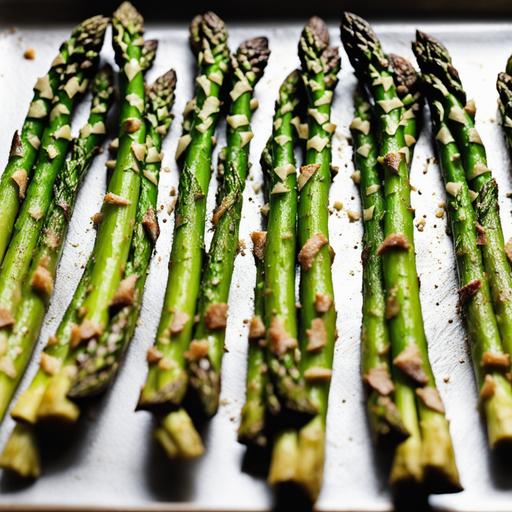
- Color: Vibrant green stalks with slightly browned tips
- Texture: Firm but yielding to gentle pressure; avoid mushiness
- Taste: Sweet, earthy, with a subtle roasted flavor
A simple test is to pierce a stalk near the thick end with a fork. It should slide in with slight resistance but not feel raw or fibrous. Overcooked asparagus often turns dull green, becomes soft, and loses its characteristic crunch.
Ingredients Needed
- 1 bunch of fresh asparagus (about 1 pound)
- 1-2 tablespoons olive oil or avocado oil
- Salt, to taste
- Black pepper, freshly ground, to taste
- Optional: garlic powder, lemon zest, parmesan cheese, or red pepper flakes for added flavor
How To Cook Asparagus In Air Fryer
- Prepare the asparagus: Rinse thoroughly and pat dry. Trim the tough, woody ends by snapping or cutting them off.
- Season: Toss the asparagus in olive oil, ensuring an even coat. Sprinkle with salt, pepper, and any additional seasonings.
- Preheat the air fryer: Preheating ensures even cooking. Set the air fryer to 375-400°F (190-205°C).
- Arrange the asparagus: Lay stalks in a single layer in the air fryer basket. Avoid overcrowding, which can lead to uneven cooking.
- Cook: Air fry according to thickness and desired crispness, shaking or turning halfway.
- Finish and serve: Once done, remove and optionally drizzle with lemon juice or sprinkle with parmesan. Serve immediately for maximum flavor and texture.
What If I Use A Different Air Fryer Temperature?
Using a lower temperature (e.g., 350°F/175°C) slows cooking and can result in tender but less caramelized asparagus. Higher temperatures (e.g., 425°F/220°C) increase the risk of burnt tips, especially for thinner stalks. Adjusting temperature requires careful monitoring and may necessitate slight changes in cooking time to achieve a balance of tenderness and crispness.
What If I Use A Different Air Fryer Cooking Time?
Shorter cooking times yield asparagus that is undercooked-crisp but raw in the center. Longer cooking times can result in overly soft, stringy, or even burnt stalks. When altering time, check asparagus for doneness a minute or two before the expected endpoint. Stalk thickness and freshness also affect timing, so adjustments should be made based on visual and tactile cues rather than strict adherence to a preset schedule.
When Things Go Wrong
Even with careful preparation, things can occasionally go awry:
- Burned tips: Reduce temperature or cook in a single layer with more space.
- Undercooked stalks: Extend cooking time by 1-2 minutes and shake halfway through.
- Soggy asparagus: Likely due to overcrowding or excess oil; cook in batches and lightly coat with oil.
- Bland flavor: Increase seasoning or finish with a fresh squeeze of lemon or sprinkle of parmesan to enhance taste.
Being proactive and attentive prevents most mishaps, and asparagus is forgiving enough for quick recovery.
Expert Tips
- Uniform thickness: Thicker stalks may require trimming or slicing to cook evenly with thinner ones.
- Preheat the air fryer: Ensures even cooking and crispy exteriors.
- Dry before oiling: Moisture on the stalks reduces crispness.
- Layer with care: Overcrowding traps steam and prevents browning.
- Experiment with seasoning: Garlic, smoked paprika, or balsamic drizzle adds depth.
- Check early: Air fryers vary, so start testing for doneness a minute or two before expected time.
FAQs
What Is The Best Temperature To Cook Asparagus In An Air Fryer?
The ideal temperature for cooking asparagus in an air fryer is typically 375°F (190°C). This allows the asparagus to cook evenly while achieving a tender interior and slightly crispy exterior without burning.
How Long Does It Take To Cook Asparagus In An Air Fryer?
Cooking asparagus in an air fryer usually takes about 7 to 10 minutes, depending on the thickness of the stalks. Thinner asparagus may cook faster, while thicker stalks may require a minute or two longer. It is recommended to shake the basket halfway through cooking for even results.
Should I Season Asparagus Before Air Frying?
Yes, seasoning asparagus before air frying enhances flavor. Common options include olive oil, salt, pepper, garlic powder, or lemon zest. Toss the asparagus in the seasonings to ensure even coating before placing them in the air fryer.
Do I Need To Preheat The Air Fryer Before Cooking Asparagus?
Preheating the air fryer is recommended for optimal cooking. Preheating to 375°F (190°C) for 3 to 5 minutes ensures the asparagus starts cooking immediately at the correct temperature, which helps achieve a crisp texture.
Can I Cook Frozen Asparagus In An Air Fryer?
Yes, frozen asparagus can be cooked in an air fryer, though it may require slightly longer cooking time, typically 10 to 12 minutes. It is best to lightly coat frozen asparagus with oil and seasonings before air frying to improve flavor and texture.
How Can I Prevent Asparagus From Sticking To The Air Fryer Basket?
To prevent sticking, lightly coat the air fryer basket with cooking spray or toss the asparagus in a small amount of oil before cooking. Ensuring the asparagus pieces are spaced out in a single layer also helps prevent sticking and promotes even cooking.
How Do I Know When Asparagus Is Done In The Air Fryer?
Asparagus is done when it is tender to the touch and has a slight crispness on the tips. You can test doneness by piercing the thickest part with a fork; it should go through easily without the asparagus collapsing. The edges may also have a light browning, indicating proper cooking.