
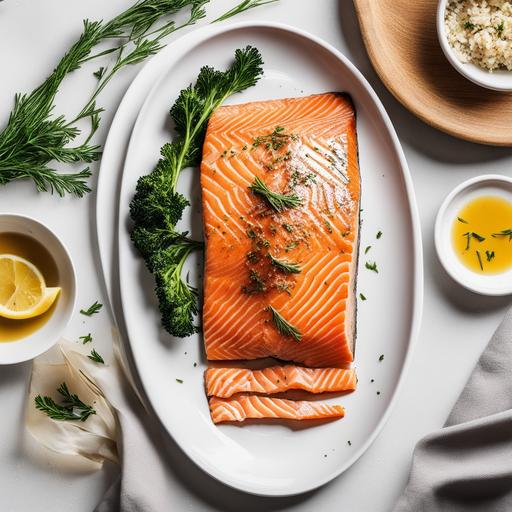
How To Cook Frozen Salmon In Air Fryer [FULL GUIDE]
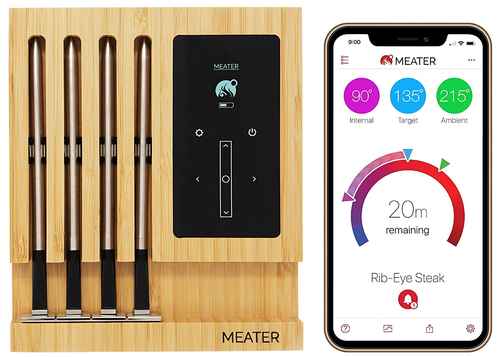
Recommended Equipments:
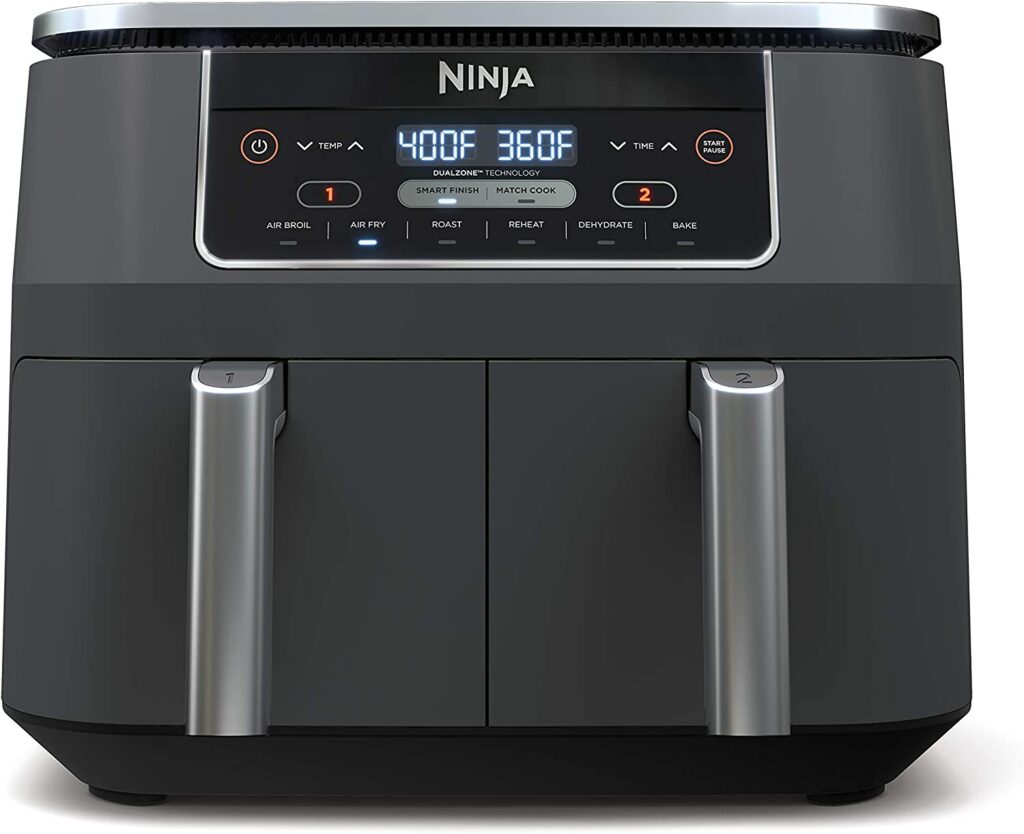
Salmon is a culinary powerhouse-rich in omega-3 fatty acids, protein, and a host of essential vitamins. Traditionally, preparing salmon from a frozen state could be intimidating; the fear of uneven cooking, dryness, or loss of flavor often deters home cooks. Enter the air fryer: a revolutionary kitchen appliance that transforms cooking by circulating hot air to deliver crispy, flavorful results with minimal oil. Using an air fryer for frozen salmon is not only convenient but also locks in moisture and enhances natural flavors. With precise temperature control and timing, even frozen salmon fillets can be transformed into a restaurant-quality meal in less than 20 minutes. This guide dives deep into every aspect of cooking frozen salmon in an air fryer, from ideal temperatures and timings to expert tips that ensure perfect results every time.
Optimal Air Fryer Temperature To Cook Frozen Salmon In Air Fryer
The temperature is the cornerstone of air fryer success. For frozen salmon, the sweet spot is generally 375°F (190°C). At this temperature, the fillet cooks evenly without drying out, while the surface develops a delicate, slightly crisp texture. Cooking at lower temperatures, such as 350°F, may yield tender salmon but could extend cooking times and risk uneven heating. Conversely, temperatures above 400°F risk scorching the exterior while leaving the center undercooked.
Maintaining a consistent temperature is key. Preheating the air fryer ensures the fillets begin cooking immediately, which helps retain natural juices and improves overall texture. Additionally, the circulating hot air at this temperature ensures the edges cook slightly faster, creating a subtle caramelization that elevates flavor.
How Long To Cook Frozen Salmon In Air Fryer
Time is equally critical. For standard 6-ounce frozen salmon fillets, the recommended cooking time at 375°F is approximately 12-15 minutes. Thicker fillets, around 8-10 ounces, may require 16-18 minutes. These times assume the fillets are frozen solid and not pre-thawed.
It is important to note that air fryer models vary in heating efficiency. Smaller, compact units may cook faster, while larger models with more powerful fans could slightly reduce the time needed. A good practice is to check the salmon a few minutes before the estimated finish time to prevent overcooking, especially if you prefer a medium-rare center.
How To Tell If It Is Done
Determining doneness without cutting into the salmon is essential for both presentation and taste. Indicators include:
- Internal Temperature: The most reliable method. Salmon is fully cooked at 145°F (63°C) at its thickest point. Using a digital instant-read thermometer is ideal.
- Texture: The flesh should flake easily when pressed lightly with a fork. If it resists flaking, it needs more time.
- Color: The salmon should transition from translucent pink to an opaque, lighter pink throughout. Undercooked salmon appears glossy or glassy at the center.
- Juices: When pierced, the juices should run clear, not milky or red.
Ingredients Needed
Cooking frozen salmon in an air fryer is incredibly simple, requiring minimal ingredients. For a basic recipe:
- 2 frozen salmon fillets (6-8 ounces each)
- 1-2 teaspoons olive oil or melted butter
- Salt, to taste
- Black pepper, to taste
- Optional: garlic powder, paprika, lemon slices, fresh herbs (dill, parsley, or thyme)
These ingredients complement the natural flavor of salmon without overpowering it, though variations like teriyaki glaze, honey mustard, or Cajun seasoning can add unique profiles.
How To Cook Frozen Salmon In Air Fryer
- Preheat your air fryer to 375°F (190°C).
- Prepare the fillets: Brush both sides lightly with olive oil or melted butter. Season generously with salt, pepper, and optional spices or herbs.
- Place in the air fryer basket: Arrange fillets skin-side down if the skin is intact. Ensure there is space between fillets for proper air circulation.
- Cook: Air fry for 12-15 minutes for standard fillets, flipping halfway through if desired for even browning.
- Check doneness: Use an instant-read thermometer or the flaking method. If not fully cooked, return to the air fryer for 1-2 additional minutes.
- Serve: Garnish with lemon slices or fresh herbs, and enjoy immediately.
What If I Use A Different Air Fryer Temperature?
Altering the temperature affects both texture and cooking time:
- Lower temperatures (325-350°F): Produce very tender salmon but extend cooking time by 5-10 minutes. There is less risk of drying the fillet, but it may lack the slight caramelization on the surface.
- Higher temperatures (400-425°F): Yield a crispier exterior faster but increase the risk of overcooked edges and a raw center. Monitor closely and reduce cooking time if experimenting with higher heat.
Temperature adjustments are useful when pairing salmon with other dishes that require different cooking settings.
What If I Use A Different Air Fryer Cooking Time?
Time and temperature are interdependent. Increasing cooking time at the same temperature risks dryness, while reducing it may leave the center undercooked. If you need to adjust:
- Shorter times: Ideal for very thin fillets or partial thawed salmon; always check internal temperature before serving.
- Longer times: Useful for thicker cuts or if you prefer fully opaque, well-done salmon; consider wrapping in foil or adding a touch of oil to prevent drying.
Fine-tuning time requires observation and occasional testing, especially with different air fryer brands.
When Things Go Wrong
Even experienced cooks face air fryer mishaps:
- Dry salmon: Usually due to overcooking. Lower the temperature slightly and monitor with a thermometer. Brushing with oil or butter before cooking helps prevent this.
- Undercooked salmon: Typically a result of cooking frozen fillets at too low a temperature or for too short a time. Increase time in small increments and check frequently.
- Uneven cooking: Caused by overcrowding the basket or inconsistent fillet thickness. Cook in a single layer and ensure fillets are roughly the same size.
A little troubleshooting goes a long way-air fryers are forgiving if adjustments are made thoughtfully.
Expert Tips
- Preheating matters: Ensures even cooking from the start.
- Use a thermometer: Nothing beats precision in achieving perfect doneness.
- Pat fillets dry: Reduces excess moisture for a better surface texture.
- Experiment with marinades: Apply frozen-safe sauces like soy or teriyaki halfway through cooking to enhance flavor without burning.
- Check halfway: Flip if necessary for even browning and optimal texture.
- Rest before serving: Let salmon rest 2-3 minutes after cooking; it continues to cook slightly and redistributes juices.
FAQs
Can I Cook Salmon Directly From Frozen In An Air Fryer?
Yes, you can cook salmon directly from frozen in an air fryer. There is no need to thaw it first. Cooking from frozen helps retain moisture and ensures the fish remains tender. You may need to increase the cooking time slightly compared to fresh or thawed salmon.
What Temperature Should I Set My Air Fryer To For Frozen Salmon?
The recommended temperature for cooking frozen salmon in an air fryer is typically 375°F (190°C). This temperature ensures the salmon cooks evenly without drying out, producing a tender and flaky texture.
How Long Does It Take To Cook Frozen Salmon In An Air Fryer?
Cooking time for frozen salmon in an air fryer generally ranges from 12 to 18 minutes, depending on the thickness of the fillet and the air fryer model. It is best to check the internal temperature, which should reach 145°F (63°C) to ensure it is fully cooked.
Do I Need To Season Frozen Salmon Before Air Frying?
Yes, seasoning can be applied directly to frozen salmon. Lightly brush the fillets with oil and sprinkle with your preferred seasonings, such as salt, pepper, garlic powder, or lemon zest. The oil helps the seasoning stick and promotes browning during cooking.
Should I Cover The Salmon When Cooking In An Air Fryer?
No, it is not necessary to cover salmon when cooking in an air fryer. Air fryers circulate hot air to cook food evenly, so covering the fish may prevent the skin or surface from crisping properly. Simply place the fillets in the basket without overlap for best results.
How Do I Know When Frozen Salmon Is Fully Cooked In The Air Fryer?
The most reliable method is to use a meat thermometer. Insert it into the thickest part of the fillet; the salmon is fully cooked when it reaches 145°F (63°C). The flesh should also be opaque, easily flake with a fork, and no longer appear translucent.
Can I Cook Frozen Salmon With Skin On In An Air Fryer?
Yes, you can cook frozen salmon with the skin on. The skin can help protect the flesh from drying out and can become crisp during cooking. Place the fillets skin-side down in the air fryer basket for optimal results.