
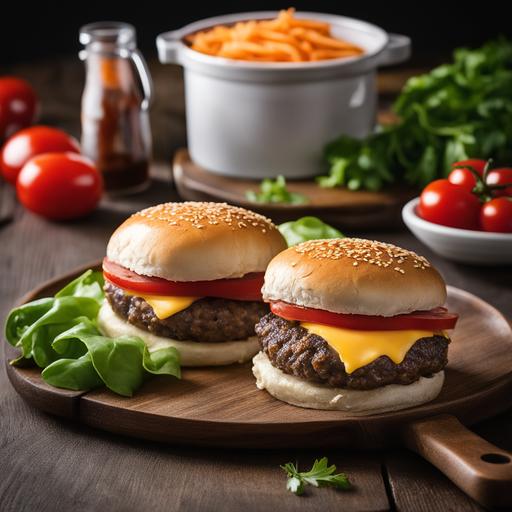
How To Cook Hamburger In Air Fryer [FULL GUIDE]
Recommended Equipments:
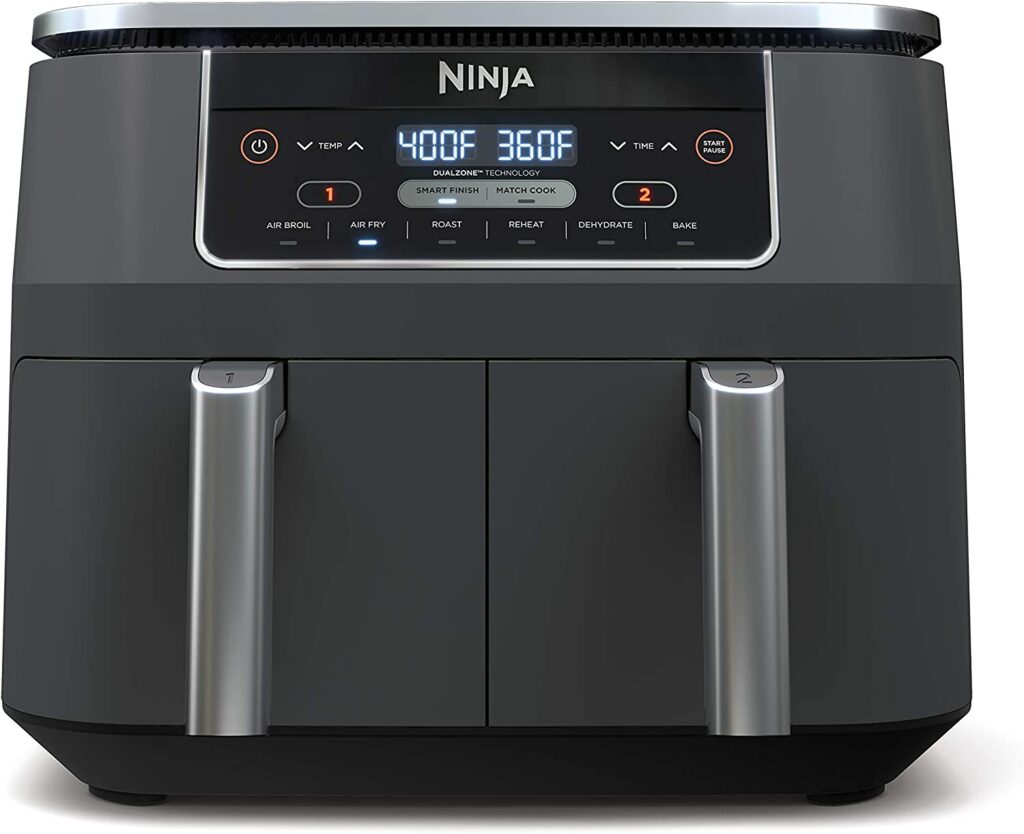
Cooking hamburgers in an air fryer has become an increasingly popular method among home chefs, and for good reason. Air fryers offer a faster, cleaner, and often healthier way to prepare a classic favorite without compromising flavor or texture. Unlike traditional pan-frying or grilling, an air fryer circulates hot air around the burger, creating a crisp exterior while locking in the juices inside. This method reduces the need for excess oil, makes cleanup simpler, and allows for consistent cooking even if you’re working with multiple patties at once. While it may sound like a simple task, mastering the perfect air fryer hamburger requires attention to temperature, timing, and patty composition. Understanding these variables ensures your burgers emerge juicy, flavorful, and perfectly cooked every time.
Optimal Air Fryer Temperature To Cook Hamburger In Air Fryer
Temperature is arguably the most critical factor when using an air fryer. Most air fryer recipes suggest cooking hamburgers at 360°F to 375°F (182°C to 190°C). This range is ideal because it provides enough heat to develop a seared exterior without drying out the interior. Cooking at temperatures lower than this may leave your burger undercooked, while excessively high temperatures risk burning the outside before the inside reaches a safe temperature.
For thicker patties (¾-inch to 1-inch thick), starting at 375°F is recommended, as the intense heat promotes a Maillard reaction-the chemical process that browns the meat and enhances flavor. Thinner patties (½-inch thick) can cook well at 360°F, allowing the burger to cook evenly without overcooking the edges.
How Long To Cook Hamburger In Air Fryer
Cooking time depends on both patty thickness and desired doneness. A general guide for 1/2-inch to 1-inch thick patties is as follows:
- Medium-rare: 7-9 minutes at 375°F, flipping halfway through
- Medium: 9-11 minutes at 375°F, flipping halfway through
- Well-done: 12-14 minutes at 375°F, flipping halfway through
Flipping the burger is crucial because air fryers cook more efficiently when both sides are exposed to hot circulating air. Neglecting to flip can result in uneven cooking, where one side is crisp and the other undercooked.
How To Tell If It Is Done
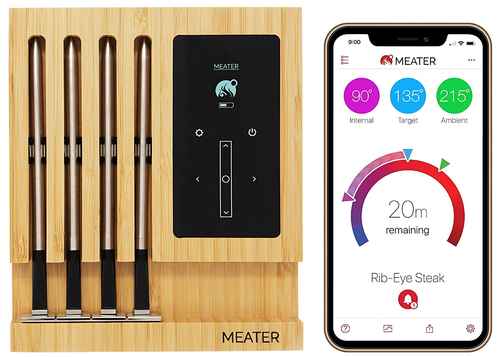
The safest and most reliable way to determine doneness is to use a digital meat thermometer. Insert it into the center of the burger:
- Medium-rare: 130-135°F
- Medium: 140-145°F
- Medium-well: 150-155°F
- Well-done: 160°F+
Visual cues can also help: juices running clear instead of pink indicates the burger is nearing well-done, and the exterior should be golden brown with slight crispness. Resist the temptation to rely solely on touch or color, as air fryers can brown the outside faster than traditional cooking methods.
Ingredients Needed
To make classic air fryer hamburgers, you will need:
- Ground beef (80/20 blend) – 1 pound makes 3-4 medium patties
- Salt and pepper – to taste
- Optional seasonings: garlic powder, onion powder, smoked paprika
- Burger buns – toasted in the air fryer for extra crispness
- Cheese slices – cheddar, American, or your preferred variety
- Toppings: lettuce, tomato, onion, pickles, condiments
You can also experiment with ground turkey, chicken, or plant-based alternatives, but cooking times and temperatures may vary.
How To Cook Hamburger In Air Fryer
- Preheat the air fryer to 375°F (or your chosen temperature).
- Form the patties gently from ground beef, making a slight indentation in the center to prevent puffing during cooking.
- Season both sides generously with salt, pepper, and optional spices.
- Place the patties in the air fryer basket in a single layer. Avoid overcrowding to allow hot air to circulate.
- Cook for 9-11 minutes (for medium), flipping halfway through. Adjust time depending on thickness and desired doneness.
- Optional: Add cheese slices in the last 1-2 minutes of cooking.
- Rest the burgers for 2-3 minutes after cooking to allow juices to redistribute.
What If I Use A Different Air Fryer Temperature?
Adjusting temperature changes both cooking time and texture:
- Lower temperatures (325°F-350°F): Slower cooking ensures more even doneness and less risk of drying out, but you may not achieve a crispy crust. Expect to add 2-4 minutes to total cooking time.
- Higher temperatures (380°F-400°F): Creates a faster sear and crisp exterior but risks overcooking the interior, especially for thicker patties. Monitor closely and consider reducing cook time.
What If I Use A Different Air Fryer Cooking Time?
Modifying cooking time without adjusting temperature can lead to:
- Undercooked burgers: Shorter cooking times leave the center raw, posing food safety risks.
- Overcooked burgers: Longer times dry out the patty, resulting in a tough texture and loss of juiciness.
The key is balancing both time and temperature while flipping midway and using a thermometer for accuracy.
When Things Go Wrong
Even experienced cooks encounter issues:
- Burger is too dry: Likely overcooked or lean meat used; try higher fat content or slightly lower temperature next time.
- Uneven cooking: May be caused by overcrowding; cook in batches and flip halfway.
- Burger sticks to the basket: Lightly brush or spray air fryer basket with oil before cooking.
Expert Tips
- Indent the center of patties to prevent puffing and promote even cooking.
- Don’t over-handle the meat; gently form patties to retain tenderness.
- Preheat the air fryer for consistent results.
- Use a thermometer for foolproof doneness.
- Rest burgers 2-3 minutes after cooking for juicier results.
- Toast buns in the air fryer for 1-2 minutes for added flavor and texture.
- Experiment with spice blends to elevate flavor beyond simple salt and pepper.
FAQs
What Temperature Should I Set My Air Fryer To Cook A Hamburger?
For a standard hamburger patty, preheat your air fryer to 375°F (190°C). This temperature allows the patty to cook evenly, creating a browned exterior while retaining juiciness inside.
How Long Does It Take To Cook A Hamburger In An Air Fryer?
Cooking time depends on the thickness of the patty. A typical 1/2-inch thick patty usually cooks in 8-10 minutes. Flip the patty halfway through cooking to ensure even browning and proper internal temperature.
Should I Preheat The Air Fryer Before Cooking A Hamburger?
Yes, preheating ensures consistent cooking and helps achieve a seared exterior. Most air fryers take 3-5 minutes to preheat to 375°F (190°C).
Do I Need To Use Oil When Cooking A Hamburger In An Air Fryer?
Using a light brush of oil on the patty is optional. Air fryers circulate hot air to cook food efficiently, so the hamburger can cook without additional oil. A small amount can enhance browning and prevent sticking.
How Can I Tell When My Hamburger Is Fully Cooked In An Air Fryer?
The most reliable method is to use a meat thermometer. For ground beef, the internal temperature should reach 160°F (71°C). Look for a browned exterior and juices running clear as additional indicators.
Can I Cook Frozen Hamburger Patties In An Air Fryer?
Yes, frozen patties can be cooked in an air fryer. Increase the cooking time by 3-5 minutes, depending on thickness, and flip the patty halfway through to ensure even cooking.
How Do I Prevent My Hamburger From Drying Out In The Air Fryer?
To prevent dryness, avoid overcooking and consider using patties with a small fat content (around 15%). Adding a light oil coating or a small pat of butter on top of the patty before cooking can also help retain moisture.