How To Cook Ribs In Ninja Air Fryer [FULL GUIDE]
Recommended Equipments:
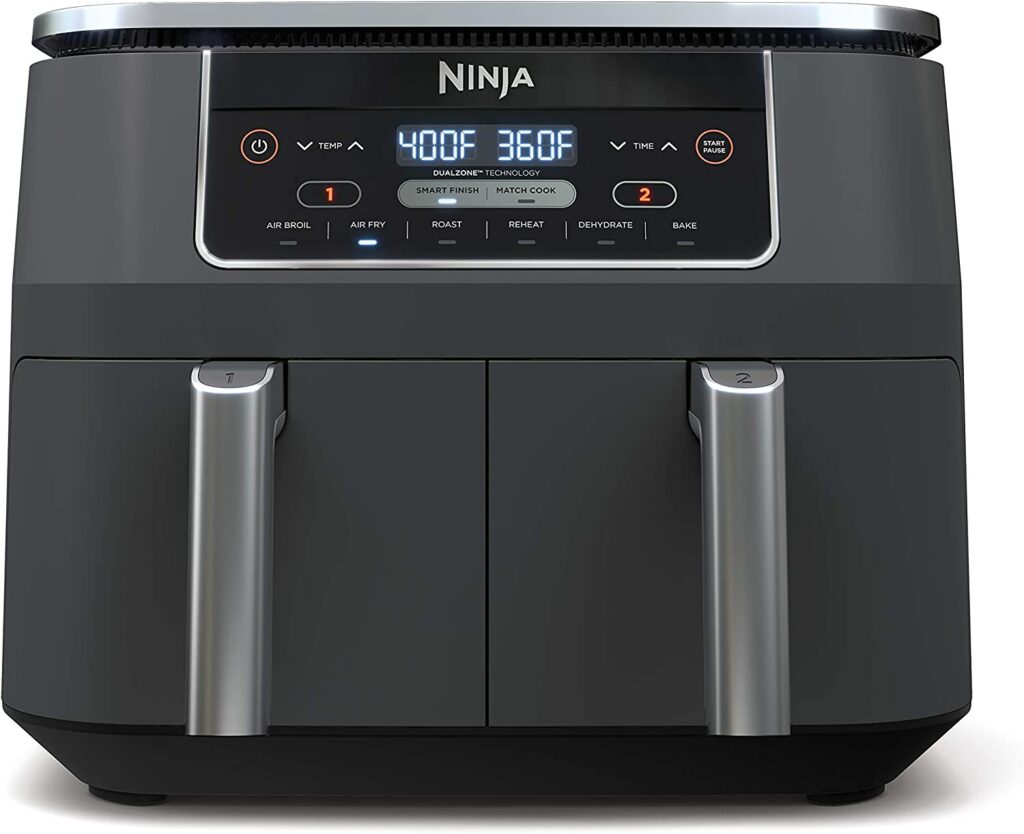
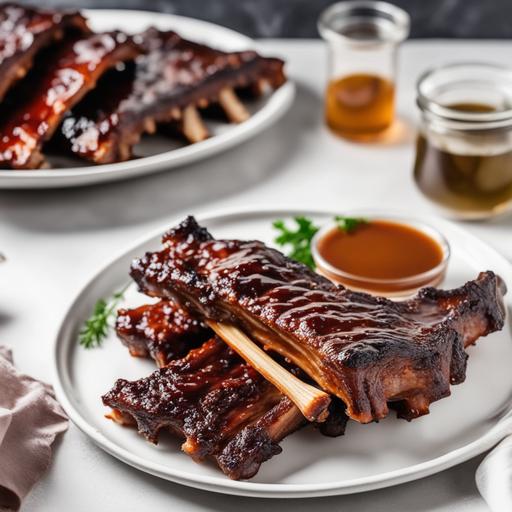
Cooking ribs to perfection has always been a delicate balance between flavor, tenderness, and texture. Traditional methods like slow roasting or smoking can be time-consuming, yet nothing compares to the rich, succulent taste of ribs that melt in your mouth. Enter the Ninja Air Fryer-a versatile kitchen appliance that brings convenience without compromising taste. The air fryer uses rapid hot air circulation to cook food evenly, producing a crisp exterior while locking in the juiciness inside. For ribs, this means a faster cooking process with minimal mess, yet a result that rivals traditional methods. In this guide, we will explore every aspect of cooking ribs in a Ninja Air Fryer, from optimal temperatures and timings to troubleshooting and expert tips for that perfect bite every time.
Optimal Air Fryer Temperature To Cook Ribs In Ninja Air Fryer
The ideal temperature for cooking ribs in a Ninja Air Fryer is generally around 375°F (190°C). This temperature strikes a balance between cooking the meat thoroughly and achieving a tender, juicy texture without drying it out. Cooking at a lower temperature, like 320°F, can yield a slightly more tender, fall-off-the-bone consistency but will require more time. Conversely, cooking at higher temperatures, such as 400°F, can give a slightly crispier exterior but risks overcooking the ribs if not monitored closely. The Ninja Air Fryer’s even heat distribution ensures that ribs cook uniformly, but precise temperature control is crucial to prevent tough, rubbery results.
How Long To Cook Ribs In Ninja Air Fryer
Cooking time depends on the size, thickness, and type of ribs, but a general guideline is 25 to 30 minutes for baby back ribs and 30 to 35 minutes for larger spare ribs. For optimal results:
- Baby Back Ribs: 375°F for 25-30 minutes, flipping halfway through.
- Spare Ribs: 375°F for 30-35 minutes, flipping halfway.
Always remember that air fryer models may vary slightly in heat distribution, so use timing as a guideline rather than a strict rule.
How To Tell If It Is Done
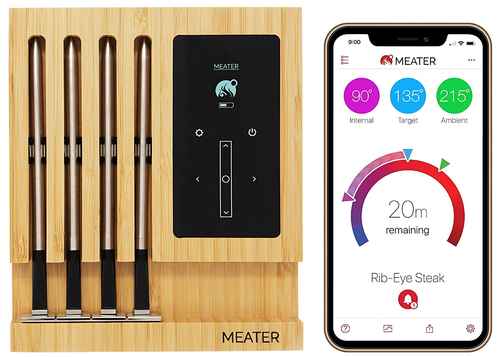
Ribs are done when they reach an internal temperature of 190-203°F (88-95°C). This range ensures the connective tissues have broken down, creating tender, juicy meat. Additional indicators include:
- Flex Test: Pick up the ribs with tongs and gently bounce them; if the meat begins to bend and crack slightly without falling apart completely, it’s done.
- Bone Exposure: The meat should have shrunk slightly from the bone ends, revealing them slightly.
- Juiciness Check: Cut a small piece to check that the meat is moist and tender inside.
Avoid relying solely on cooking time, as the thickness and marbling of the ribs can alter doneness.
Ingredients Needed
To create flavorful Ninja Air Fryer ribs, gather the following:
- 1 rack of ribs (baby back or spare)
- 1-2 tablespoons olive oil (optional, for brushing)
- 2 teaspoons smoked paprika
- 1 teaspoon garlic powder
- 1 teaspoon onion powder
- 1 teaspoon black pepper
- 1 teaspoon salt
- ½ teaspoon cayenne pepper (optional, for heat)
- ½ cup barbecue sauce (for glazing, optional)
These ingredients are flexible-spices can be adjusted to taste, and marinades can be added for extra flavor.
How To Cook Ribs In Ninja Air Fryer
- Prep the Ribs: Remove the membrane from the back of the ribs for a more tender bite. Pat dry with paper towels.
- Season: Rub the ribs with olive oil, then generously apply your spice mix, ensuring all surfaces are coated.
- Preheat Air Fryer: Preheat your Ninja Air Fryer to 375°F for 3-5 minutes.
- Air Frying: Place ribs in the basket in a single layer, meat side down. Cook for 12-15 minutes, then flip and cook for another 12-15 minutes.
- Optional Glaze: Brush barbecue sauce over the ribs in the last 5 minutes of cooking for a caramelized finish.
- Rest: Allow ribs to rest for 5-10 minutes before slicing to retain juices.
What If I Use A Different Air Fryer Temperature?
- Lower Temperature (320-350°F): Ribs will be more tender but take longer, usually 35-45 minutes. The slower cooking process can improve moisture retention but may not produce a crispy exterior.
- Higher Temperature (390-400°F): Results in faster cooking and a slightly crisp exterior, but the risk of overcooked, dry meat increases. Monitor closely and reduce cooking time slightly to compensate.
What If I Use A Different Air Fryer Cooking Time?
- Shorter Time: Meat may be undercooked, chewy, or tough. Always check internal temperature and doneness indicators.
- Longer Time: Risk of drying out ribs. If extending time, reduce the temperature slightly and consider wrapping in foil to retain moisture.
When Things Go Wrong
Even with careful timing and temperature control, mishaps can occur:
- Dry Ribs: Likely due to too high temperature or overcooking. Solution: Wrap ribs in foil and reheat with a little water or sauce.
- Undercooked Ribs: Meat may still be tough or rubbery. Solution: Return to the air fryer at a lower temperature for 5-10 minutes until fully cooked.
- Uneven Cooking: Check placement in the basket-avoid overlapping. Rotate or rearrange halfway through cooking.
Expert Tips
- Marinate in Advance: For deeper flavor, marinate ribs for 2-4 hours or overnight.
- Dry Rubs vs. Wet Marinades: Dry rubs enhance crust formation, while wet marinades help infuse moisture.
- Check Frequently: Air fryer heat can be intense; monitoring prevents overcooking.
- Cut Portions: For large racks, cut ribs into 2-3 bone sections to ensure even cooking.
- Rest Before Serving: Resting allows juices to redistribute and prevents dryness.
FAQs
What Type Of Ribs Can I Cook In A Ninja Air Fryer?
You can cook various types of ribs in a Ninja air fryer, including baby back ribs, spare ribs, and St. Louis-style ribs. Baby back ribs are leaner and cook faster, while spare ribs are meatier and may require slightly longer cooking times.
Do I Need To Pre-cook The Ribs Before Using The Air Fryer?
Pre-cooking is not strictly necessary, but many recipes recommend parboiling or slow-cooking the ribs first to ensure tenderness. If you skip pre-cooking, you may need to increase the air frying time and check for doneness to ensure the meat is fully cooked.
What Temperature And Time Should I Set On The Ninja Air Fryer?
For tender and juicy ribs, preheat the air fryer to 375°F (190°C) and cook the ribs for 25-30 minutes. Flip the ribs halfway through the cooking time. Thicker or larger ribs may require 35-40 minutes, while smaller racks may cook in 20-25 minutes.
Should I Marinate Or Season The Ribs Before Air Frying?
Yes, seasoning or marinating the ribs enhances flavor. You can use a dry rub, marinade, or BBQ sauce. Apply the seasoning evenly and allow the ribs to marinate for at least 30 minutes, or ideally overnight, for maximum flavor absorption.
Do I Need To Cover The Ribs Or Use Foil In The Air Fryer?
It is not necessary to cover the ribs with foil in the air fryer. However, lightly covering the ribs with foil for part of the cooking time can help retain moisture and prevent excessive charring. Removing the foil in the last 5-10 minutes allows the ribs to develop a crispy exterior.
How Can I Tell When The Ribs Are Fully Cooked?
Ribs are fully cooked when the internal temperature reaches 190-203°F (88-95°C) for tender, fall-off-the-bone texture. You can also test doneness by gently pulling on the meat; it should slightly pull away from the bones without being dry.
Can I Cook Frozen Ribs In The Ninja Air Fryer?
Yes, you can cook frozen ribs, but cooking time will increase by 10-15 minutes depending on the thickness. It is recommended to thaw the ribs first for more even cooking and better texture. Ensure the ribs reach the proper internal temperature before serving.