
How To Cook Sliced Ham In Air Fryer [FULL GUIDE]
Recommended Equipments:
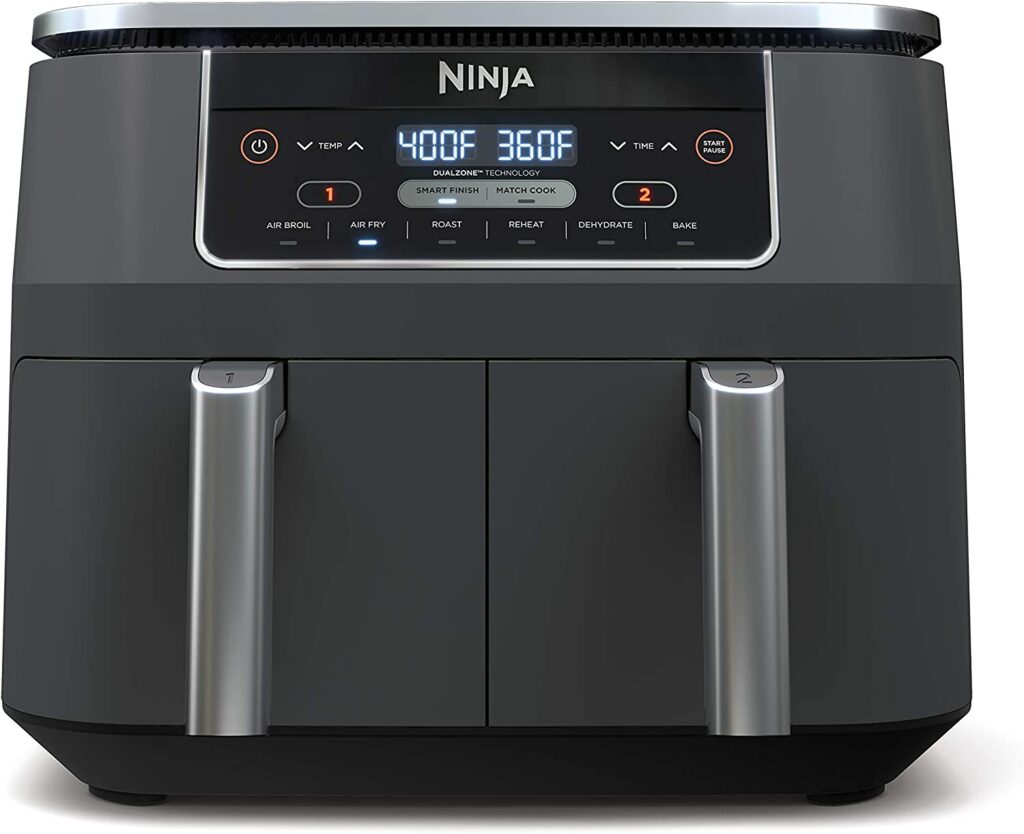

Air fryers have revolutionized home cooking, offering a quicker, healthier, and more convenient alternative to traditional ovens. Among the wide variety of foods that benefit from this modern kitchen appliance, sliced ham stands out as a perfect candidate. With its natural sweetness, savory depth, and ready-to-eat versatility, ham can transform a simple breakfast, lunch, or dinner into a satisfying meal. Air frying sliced ham allows the edges to caramelize slightly, giving it a crisp texture while maintaining a tender and juicy interior. However, achieving this balance requires an understanding of the right temperature, cooking time, and technique. Mastering the process ensures every slice is deliciously golden, warm, and flavorful without overcooking or drying out the meat.
Optimal Air Fryer Temperature To Cook Sliced Ham In Air Fryer
Temperature is the cornerstone of successful air frying. For sliced ham, the optimal temperature is around 325°F (163°C). This moderate heat is high enough to warm the slices thoroughly and develop light caramelization on the edges, but not so intense that it dries out the ham or causes uneven cooking. Temperatures above 350°F (177°C) can quickly overcook thinner slices, leaving them tough, while temperatures below 300°F (149°C) may result in uneven heating and require significantly longer cooking times. Maintaining the recommended temperature ensures each slice retains its moisture while achieving a slightly crisp exterior, enhancing both flavor and texture.
How Long To Cook Sliced Ham In Air Fryer
Cooking time depends primarily on the thickness of the ham slices. Thin slices, about ¼ inch thick, generally require 3-5 minutes per side, whereas thicker slices (½ inch or more) may need 6-8 minutes per side. Unlike an oven, the air fryer circulates hot air rapidly, which cooks food faster and more evenly. It’s important to flip the slices halfway through the cooking process to ensure uniform browning. Overcooking can lead to dry, chewy slices, while undercooking may leave them cool in the center, so precise timing is key to optimal results.
How To Tell If It Is Done
Determining doneness is simple but requires careful attention. Properly cooked ham should have a warm interior, slightly caramelized edges, and a tender, juicy texture. You can check by:
- Touch Test: The meat should feel firm but not hard.
- Visual Cues: Edges slightly browned or caramelized indicate the Maillard reaction has occurred.
- Thermometer Method: While pre-cooked ham is safe to eat cold, heating to 140°F (60°C) ensures the slices are properly warmed. For thicker slices, an instant-read thermometer inserted in the center is the most reliable method.
Ingredients Needed
To make air-fried sliced ham, you will need very few ingredients, making it ideal for a quick meal or snack:
- Sliced ham (pre-cooked, your preferred thickness)
- Optional glaze: honey, brown sugar, mustard, or maple syrup
- Olive oil or cooking spray (to prevent sticking)
- Optional seasonings: black pepper, paprika, garlic powder, or fresh herbs
How To Cook Sliced Ham In Air Fryer
- Preheat the air fryer to 325°F (163°C) for a few minutes.
- Prepare the slices: Lightly coat the ham slices with cooking spray or a thin layer of olive oil to prevent sticking and promote browning.
- Optional glazing: Brush your favorite glaze over the ham slices for added sweetness and caramelization.
- Arrange in the basket: Place the slices in a single layer with slight spacing for optimal air circulation.
- Cook: Air fry for 3-5 minutes per side (thin slices) or 6-8 minutes per side (thicker slices), flipping halfway through.
- Check doneness: Ensure slices are heated through and edges are slightly browned.
- Serve immediately: Enjoy hot with sides, in sandwiches, or as part of breakfast dishes.
What If I Use A Different Air Fryer Temperature?
Adjusting the temperature can dramatically alter the cooking outcome:
- Higher Temperature (350-375°F / 177-191°C): Faster browning but higher risk of drying out the ham. Monitor closely and reduce cooking time.
- Lower Temperature (300°F / 149°C or below): Slower cooking, less browning, but preserves moisture better. Ideal for thicker slices or delicate glazes that might burn.
What If I Use A Different Air Fryer Cooking Time?
Cooking time is directly related to slice thickness and air fryer efficiency:
- Shorter Time: Ham may be lukewarm and undercaramelized. Flip and continue cooking as needed.
- Longer Time: Ham may become dry and tough, especially thin slices. If using a glaze, prolonged cooking can burn sugars, creating a bitter taste.
When Things Go Wrong
Even with the best intentions, problems can arise:
- Ham is dry: Likely caused by high temperature or overcooking. Next time, reduce heat or check earlier.
- Uneven cooking: Overcrowding the basket can block airflow. Cook in batches if needed.
- Burned glaze: Sugar-based glazes burn quickly in high heat. Apply glazes later in the cooking process for better results.
Expert Tips
- Slice thickness consistency: Ensures even cooking.
- Light coating of oil: Helps develop a crisp, caramelized edge.
- Flip slices halfway: Guarantees even browning on both sides.
- Use a thermometer: For precision, especially with thicker slices.
- Experiment with glazes: Brush on during the last 1-2 minutes to avoid burning.
- Air fryer basket spacing: Never overcrowd; hot air circulation is key for crisp, warm slices.
FAQs
What Is The Best Way To Prepare Sliced Ham For The Air Fryer?
Before cooking, ensure the sliced ham is thawed if it was frozen. Lightly pat it dry with a paper towel to remove excess moisture. You can brush it with a thin layer of honey, mustard, or a glaze of your choice to enhance flavor, but avoid heavy coatings that may burn during air frying.
What Temperature Should I Set My Air Fryer To Cook Sliced Ham?
For sliced ham, a temperature of 350°F (175°C) is ideal. This allows the ham to heat evenly without drying out. Thinner slices may require a slightly lower temperature to avoid overcooking, while thicker slices may need a slightly higher temperature.
How Long Does It Take To Cook Sliced Ham In An Air Fryer?
Cooking time depends on the thickness of the slices. Generally, 1/4-inch thick slices take about 4-6 minutes, flipping halfway through. Thicker slices, around 1/2 inch, may require 7-10 minutes. Always check for desired warmth and lightly caramelized edges.
Do I Need To Flip The Ham Slices While Air Frying?
Yes, flipping the slices halfway through the cooking process ensures even heating and browning. Air fryers circulate hot air around the food, but thin slices can cook unevenly if not turned, resulting in one side being overcooked while the other remains cold.
Can I Cook Multiple Slices At Once In The Air Fryer?
You can cook multiple slices, but avoid overcrowding the basket. Arrange slices in a single layer with a small gap between each piece to allow proper air circulation. Overlapping slices may result in uneven cooking and a less crispy exterior.
Should I Use Any Oil When Cooking Ham In The Air Fryer?
Sliced ham is already naturally fatty, so additional oil is optional. If you prefer a glossier appearance or want to add a light coating for flavor, use a small brush of olive oil or melted butter. Excess oil is unnecessary and may smoke in the air fryer.
How Can I Tell When The Sliced Ham Is Done In The Air Fryer?
Sliced ham is fully cooked when it is heated through and slightly caramelized at the edges. The internal temperature should reach 140°F (60°C) if it was pre-cooked. For extra flavor, the edges should be lightly browned but not burnt. Overcooking can make the ham dry and tough.