How To Cook Wings In Ninja Foodi Air Fryer [FULL GUIDE]
Recommended Equipments:
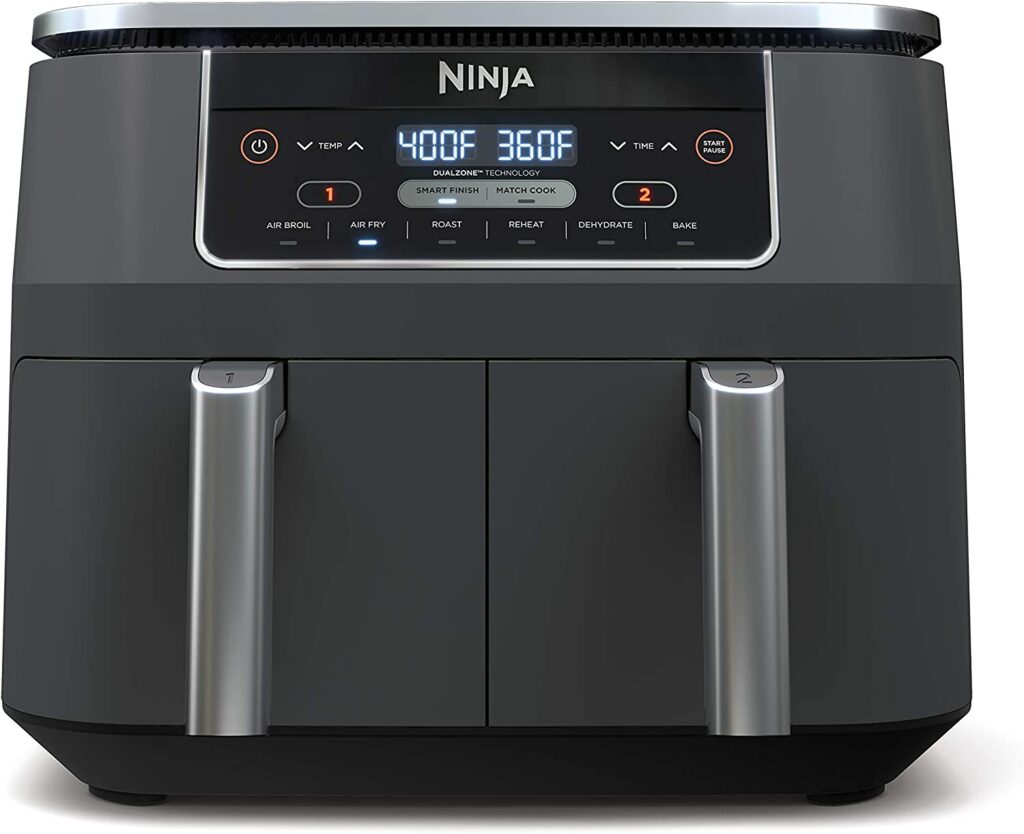
The humble chicken wing has transformed from a bar snack to a culinary canvas, offering endless possibilities for flavor and texture. Air fryers, such as the Ninja Foodi, have revolutionized the way we prepare wings, delivering a crispy, golden exterior without the excessive oil required in traditional deep frying. By combining rapid air circulation with precise temperature control, the Ninja Foodi ensures wings cook evenly while retaining a juicy interior. Understanding the nuances of air frying, including temperature, timing, and seasoning, can elevate your wings from ordinary to extraordinary, making this method ideal for home cooks seeking convenience, flavor, and consistency.
Optimal Air Fryer Temperature To Cook Wings In Ninja Foodi Air Fryer
Temperature is critical in air frying wings because it directly affects texture, flavor, and cooking time. For the Ninja Foodi Air Fryer, the optimal temperature for chicken wings is 360°F (182°C) for cooking initially, followed by a high-heat finish at 400°F (204°C) for 5-7 minutes to achieve maximum crispiness. Cooking wings at too low a temperature can result in undercooked, chewy meat, while excessively high heat can dry out the interior or char the skin before it crisps evenly. The two-step temperature method-moderate heat for even cooking, followed by high heat for crisping-strikes the perfect balance between tenderness and crunch, ensuring each bite is satisfyingly crispy without sacrificing juiciness.
How Long To Cook Wings In Ninja Foodi Air Fryer
Timing is as crucial as temperature when air frying wings. In a Ninja Foodi, chicken wings typically require 24-28 minutes of total cooking time. Start by air frying at 360°F for 20-22 minutes, shaking or flipping the wings halfway through to ensure uniform cooking. After the initial cooking phase, increase the temperature to 400°F and air fry for an additional 5-7 minutes. This final stage is what gives the wings that coveted golden-brown, crispy exterior. Keep in mind that factors such as wing size, thickness, and whether they are fresh or frozen can slightly adjust the total cooking time.
How To Tell If It Is Done
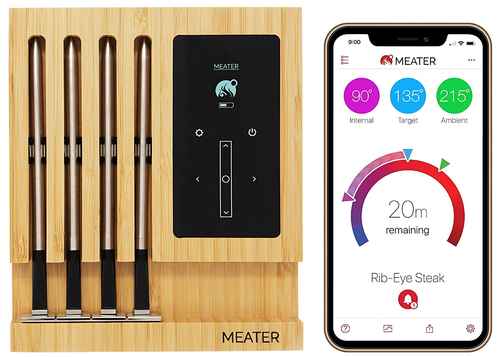
Determining doneness is essential to avoid undercooked or overcooked wings. The most reliable method is to use a meat thermometer; the internal temperature should reach 165°F (74°C) at the thickest part of the wing. Visually, properly cooked wings will have a crispy, golden-brown exterior, and the meat should pull easily from the bone without being dry. If the wings jiggle excessively when shaken or the skin appears pale or rubbery, they likely need additional cooking. Avoid relying solely on time, as even small variations in wing size or air fryer models can impact the results.
Ingredients Needed
To craft perfect air-fried wings, you will need:
- 2 pounds of chicken wings (split into flats and drumettes)
- 1-2 tablespoons of olive oil or cooking spray
- Salt and pepper (to taste)
- Optional seasonings: garlic powder, onion powder, smoked paprika, cayenne pepper
- Optional finishing sauces: buffalo, BBQ, teriyaki, honey garlic
These ingredients create a versatile base for wings that can be seasoned simply or dressed up with sauces after cooking.
How To Cook Wings In Ninja Foodi Air Fryer
- Prep the wings: Pat wings dry with paper towels to remove excess moisture. This ensures crispiness.
- Season: Lightly coat the wings with olive oil, then season with salt, pepper, and any optional spices.
- Preheat: Preheat the Ninja Foodi Air Fryer to 360°F for about 3-5 minutes.
- Air fry: Arrange wings in a single layer in the air fryer basket. Cook at 360°F for 20-22 minutes, shaking the basket or flipping the wings halfway through.
- Crisp: Increase temperature to 400°F and cook for an additional 5-7 minutes until the skin is golden-brown and crispy.
- Check doneness: Use a meat thermometer to ensure internal temperature has reached 165°F.
- Sauce (optional): Toss wings in your favorite sauce or serve plain for dipping.
What If I Use A Different Air Fryer Temperature?
Adjusting the temperature impacts both cooking time and wing texture. Cooking at a lower temperature (e.g., 330-350°F) will require additional time and may result in softer, less crispy skin. Conversely, a higher temperature (e.g., 400-420°F from the start) can accelerate crisping but risks uneven cooking and a dry interior if wings are thick. If you modify the temperature, it’s crucial to monitor internal temperature and visual cues closely to ensure safety and quality.
What If I Use A Different Air Fryer Cooking Time?
Increasing or decreasing cooking time affects both safety and texture. Shorter cooking times may leave wings undercooked and unsafe, while longer times can dry out the meat and over-crisp or burn the skin. Always confirm doneness with a meat thermometer rather than relying on time alone, as wing size, model variation, and air fryer efficiency can shift cooking requirements. Adjusting time requires a balance between ensuring the meat reaches 165°F and achieving desired crispiness.
When Things Go Wrong
Even seasoned cooks encounter mishaps with air fryer wings. Common issues include:
- Undercooked wings: Usually due to low temperature, overcrowding, or inconsistent flipping. Solution: Increase heat slightly, cook in batches, and check internal temperature.
- Soggy wings: Moisture on the skin or overcrowded basket prevents crisping. Solution: Pat wings dry and leave space between pieces.
- Overly dry wings: Cooking at too high a temperature for too long can dry out meat. Solution: Use two-stage cooking (moderate then high heat) and monitor internal temperature closely.
Expert Tips
- Patience is key: Dry wings thoroughly before air frying to achieve maximum crisp.
- Batch cooking: Avoid overcrowding; air circulation is essential for even cooking.
- Two-stage method: Cook initially at moderate heat, then finish at high heat for crispiness.
- Sauce after cooking: Toss wings in sauce post-cooking to maintain skin crunch.
- Rotate and shake: Flip or shake the basket midway for uniform browning.
FAQs
What Is The Best Way To Prepare Chicken Wings Before Air Frying In A Ninja Foodi?
Start by patting the wings dry with paper towels to remove excess moisture. This helps achieve a crispier exterior. Optionally, you can marinate or season them with your preferred spices, sauces, or a light coating of oil. Preheating the Ninja Foodi ensures even cooking and helps the wings crisp properly.
Do I Need To Preheat The Ninja Foodi Before Cooking Wings?
Yes, preheating the Ninja Foodi air fryer function for 3-5 minutes at the desired cooking temperature ensures consistent cooking and a crispier texture. Preheating helps the wings cook evenly and prevents them from steaming instead of frying.
What Temperature And Cooking Time Should I Use For Air Frying Chicken Wings In A Ninja Foodi?
Set the air fryer to 400°F (204°C) for optimal results. Cook the wings for 20-25 minutes, flipping them halfway through to ensure even browning and crispiness. Larger wings may require an additional 2-5 minutes, while smaller wings may need slightly less time.
Should I Overcrowd The Basket When Air Frying Wings In The Ninja Foodi?
No, avoid overcrowding the basket. Arrange wings in a single layer with some space between them to allow proper airflow. Overcrowding can lead to uneven cooking, steaming, and less crispy wings.
How Can I Make My Ninja Foodi Air Fryer Wings Extra Crispy?
For extra crispiness, lightly coat the wings with oil or cooking spray before air frying. Patting them dry and cooking at a high temperature (around 400°F) helps. Additionally, flipping the wings halfway through and optionally finishing them for 2-3 minutes at a slightly higher temperature can produce a golden, crunchy exterior.
Do I Need To Cook Frozen Wings Differently In The Ninja Foodi Air Fryer?
Frozen wings can be cooked directly in the Ninja Foodi, but they require a longer cooking time. Preheat the air fryer to 400°F (204°C), then cook the wings for 25-30 minutes, flipping halfway. Make sure they reach an internal temperature of 165°F (74°C) to ensure they are fully cooked.
How Can I Add Sauce To Ninja Foodi Air Fryer Wings Without Losing Crispiness?
To maintain crispiness, cook the wings fully first and then toss them in sauce just before serving. Applying sauce during the last 2-3 minutes of cooking is also possible, but heavier sauces may soften the skin. For sticky or thick sauces, consider brushing them on after cooking.