How To Make Beef Jerky In Kalorik Air Fryer [FULL GUIDE]
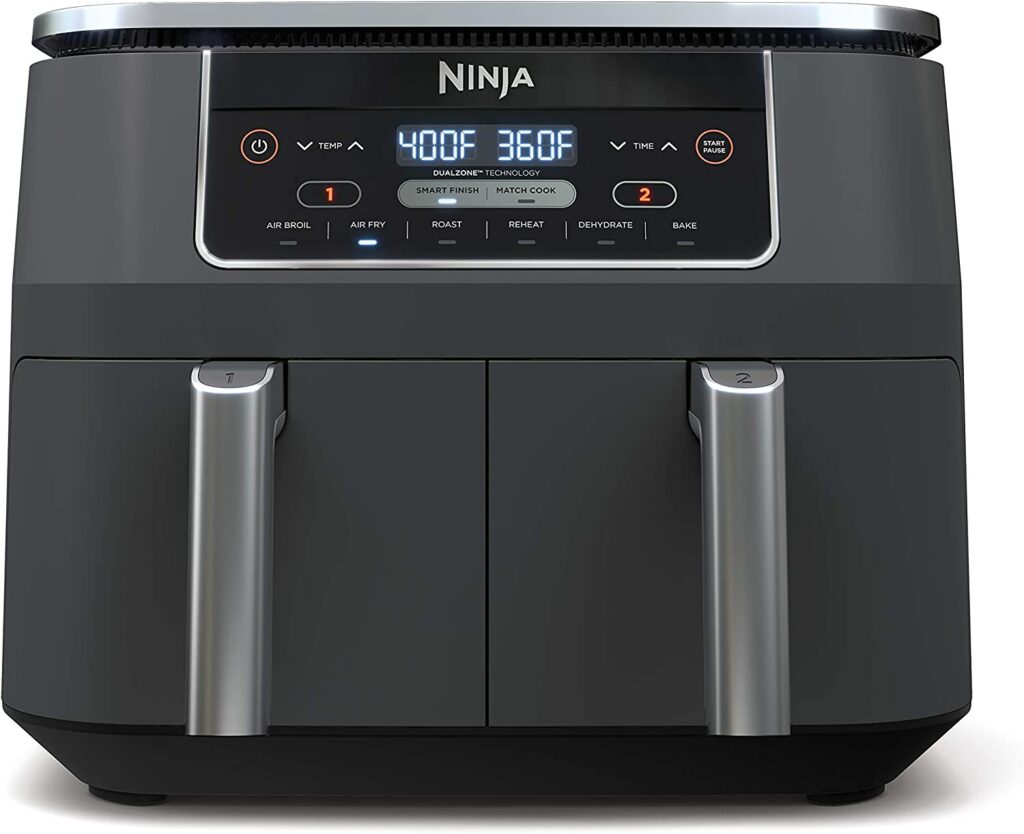
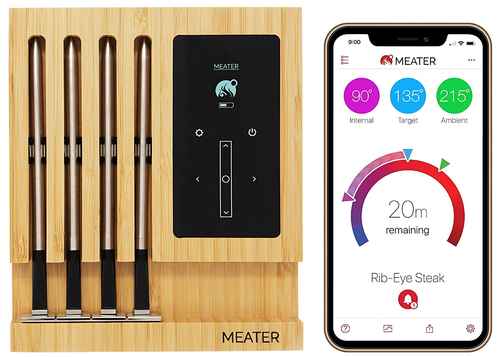
Recommended Equipments:
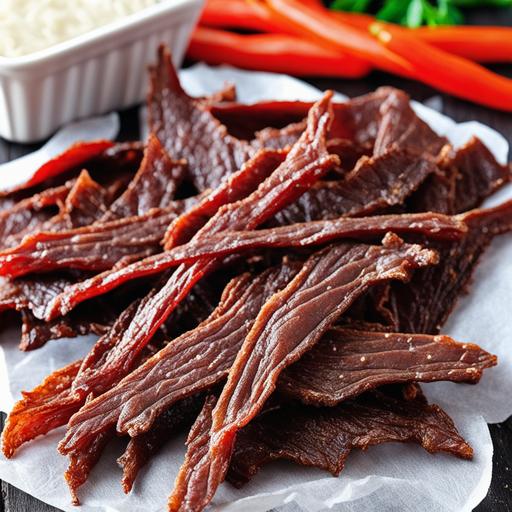
Beef jerky is a timeless snack, celebrated for its portability, high protein content, and rich, smoky flavor. Whether you’re planning a long hike, preparing a protein-packed snack for work, or simply craving a savory treat, homemade beef jerky allows you to control the seasoning, texture, and quality of meat in a way store-bought options never can. While traditional jerky often involves slow smoking or oven dehydration, modern appliances like the Kalorik air fryer make this process faster, more convenient, and surprisingly efficient. Using the Kalorik air fryer, you can achieve tender, flavorful jerky with minimal fuss, all while reducing the need for extra oils. This guide dives deep into every step of crafting perfect beef jerky, ensuring your jerky comes out flavorful, safe, and satisfying every time.
Optimal Air Fryer Temperature To Make Beef Jerky In A Kalorik Air Fryer
Temperature control is the cornerstone of successful jerky-making. The Kalorik air fryer excels at circulating hot air evenly, allowing for gradual dehydration without overcooking the meat. The optimal temperature for making beef jerky is 160°F to 175°F (71°C to 79°C). This range ensures the meat dries evenly while maintaining its tenderness and flavor.
Lower temperatures around 160°F allow for a slow, steady dehydration that preserves the meat’s natural moisture and flavor. Higher temperatures around 175°F speed up the process slightly but increase the risk of uneven drying or a tough exterior if the meat slices are too thick. Because air fryers heat faster than traditional ovens, monitoring the temperature closely is critical to avoid overcooking. Many Kalorik models feature adjustable temperature controls with increments as small as 5°F, giving precise control over the dehydration process.
How Long To Make Beef Jerky In Kalorik Air Fryer
Cooking time depends on the thickness of your beef slices, the temperature setting, and the air fryer model. On average:
- Thin slices (1/8 inch or ~3 mm): 2.5 to 3 hours
- Medium slices (1/4 inch or ~6 mm): 3 to 4 hours
- Thicker slices (1/2 inch or ~12 mm): 4 to 5 hours
Air fryer jerky requires periodic checking to ensure it dries evenly. Since air fryers have a strong fan circulation, you may need to rotate trays or flip meat halfway through the cooking process. The jerky should feel firm but not brittle, with a slightly pliable texture when it’s done.
How To Tell If It Is Done
Properly dried beef jerky has a distinct texture and appearance. Here’s how to identify completion:
- Visual cues: The meat darkens and becomes uniformly dry without any translucent or wet spots.
- Texture check: Bend a piece; it should flex slightly and tear easily but not snap like a hard candy.
- Moisture test: Cut a thicker piece in half. The inside should show no raw, wet meat, though it should retain a hint of chewiness.
Avoid over-drying, which produces a crumbly, excessively tough jerky. Similarly, under-dried jerky may harbor bacteria and spoil quickly.
Ingredients Needed
To craft delicious beef jerky, you’ll need:
- Beef: 1 to 2 pounds of lean cuts (top round, flank steak, or sirloin)
-
Marinade
- ¼ cup soy sauce
- 2 tablespoons Worcestershire sauce
- 1 tablespoon honey or brown sugar
- 1 teaspoon smoked paprika
- 1 teaspoon garlic powder
- 1 teaspoon onion powder
- ½ teaspoon black pepper
- Optional: ½ teaspoon red pepper flakes for heat
- Optional finishing touches: Liquid smoke for extra smoky flavor
How To Make Beef Jerky In Kalorik Air Fryer
- Preparation: Trim all visible fat from the beef, as fat slows drying and can cause spoilage. Slice the meat thinly against the grain (1/8-1/4 inch thick) for tenderness.
- Marinating: Combine all marinade ingredients and coat the beef slices thoroughly. Refrigerate for at least 6 hours or overnight for maximum flavor penetration.
- Preheating the Air Fryer: Set the Kalorik air fryer to 165°F (74°C) for an ideal balance of slow drying and flavor retention.
- Arranging the Meat: Place beef slices in a single layer on the air fryer basket or tray. Avoid overlapping to ensure even air circulation.
- Dehydrating: Cook for 2.5-4 hours, checking periodically. Flip or rearrange slices halfway through. Adjust time based on slice thickness.
- Cooling and Storage: Let jerky cool to room temperature. Store in airtight containers or vacuum-sealed bags. Properly dehydrated jerky lasts 2-3 weeks at room temperature, longer in the refrigerator.
What If I Use A Different Air Fryer Temperature?
- Lower than 160°F: Drying takes much longer and increases risk of bacterial growth. Monitor closely and extend cooking time incrementally.
- Above 175°F: Jerky can dry too quickly on the outside while remaining undercooked inside, leading to tough, uneven jerky. You can use slightly higher temperatures for thinner slices but must reduce cooking time and monitor frequently.
What If I Use A Different Air Fryer Cooking Time?
- Shorter time: The jerky may retain excess moisture and be unsafe to eat. Always perform the texture and moisture test.
- Longer time: Overcooking can result in brittle, overly tough jerky. Adjust thickness or temperature rather than simply extending cooking time.
When Things Go Wrong
- Jerky too tough: Slices were too thick or cooked at too high a temperature. Next time, slice thinner and lower temperature slightly.
- Jerky too dry: Overcooked or insufficient marinade. Add more moisture to the marinade or reduce cooking time.
- Uneven drying: Overlapping slices or crowded air fryer trays. Use multiple batches to allow proper air circulation.
- Spoiled jerky: Indicates under-drying or contamination. Always check internal moisture and store properly.
Expert Tips
- Freeze slightly before slicing: Partially freezing beef makes thin slicing easier and more uniform.
- Consistent slice thickness: Ensures even drying across all pieces.
- Use wire racks: Allows maximum air circulation and prevents sticking.
- Rotate trays regularly: Especially for smaller air fryers, to avoid hot spots.
- Experiment with flavors: Add chili powder, liquid smoke, or teriyaki glaze for a gourmet twist.
- Patience matters: Slow drying produces the best texture and flavor; resist the urge to crank up the heat.
FAQs
What Type Of Beef Is Best For Making Jerky In A Kalorik Air Fryer?
Lean cuts of beef are ideal for making jerky in an air fryer. Top choices include eye of round, sirloin, or flank steak. These cuts have minimal fat, which helps prevent spoilage and ensures the jerky dries evenly.
Do I Need To Marinate The Beef Before Air Frying?
Yes, marinating the beef is essential for flavor and tenderness. A typical marinade includes soy sauce, Worcestershire sauce, brown sugar, garlic powder, onion powder, and black pepper. Marinate the meat for at least 4-6 hours, or overnight for deeper flavor.
What Thickness Should The Beef Slices Be For Air Fryer Jerky?
Slices should be uniformly thin, about 1/8 to 1/4 inch thick. Uniform thickness ensures consistent drying and prevents some pieces from overcooking while others remain underdone.
At What Temperature And Duration Should I Air Fry Beef Jerky?
Preheat your Kalorik air fryer to 160°F (70°C) if possible. Air fry the beef slices for 2-3 hours, checking periodically. Flip the slices halfway through to ensure even drying. Adjust time based on the thickness and moisture content of the meat.
How Can I Prevent The Beef From Becoming Too Hard Or Brittle?
To prevent jerky from becoming overly dry, monitor the drying process closely. The jerky should be dry but still slightly pliable. Avoid stacking slices, and ensure proper airflow in the air fryer basket.
How Should I Store Homemade Air Fryer Beef Jerky?
Once cooled, store the jerky in an airtight container or resealable bag. For short-term storage, keep it at room temperature for up to a week. For longer storage, refrigerate for up to a month or freeze for several months to maintain freshness.
Can I Use The Kalorik Air Fryer’s Dehydrator Setting For Jerky?
Yes, if your Kalorik air fryer has a dehydrator function, it is ideal for making jerky. This setting provides consistent low heat and airflow, which is perfect for drying meat evenly without cooking it.