
How To Make Fruit Roll Ups In Air Fryer [FULL GUIDE]
Recommended Equipments:
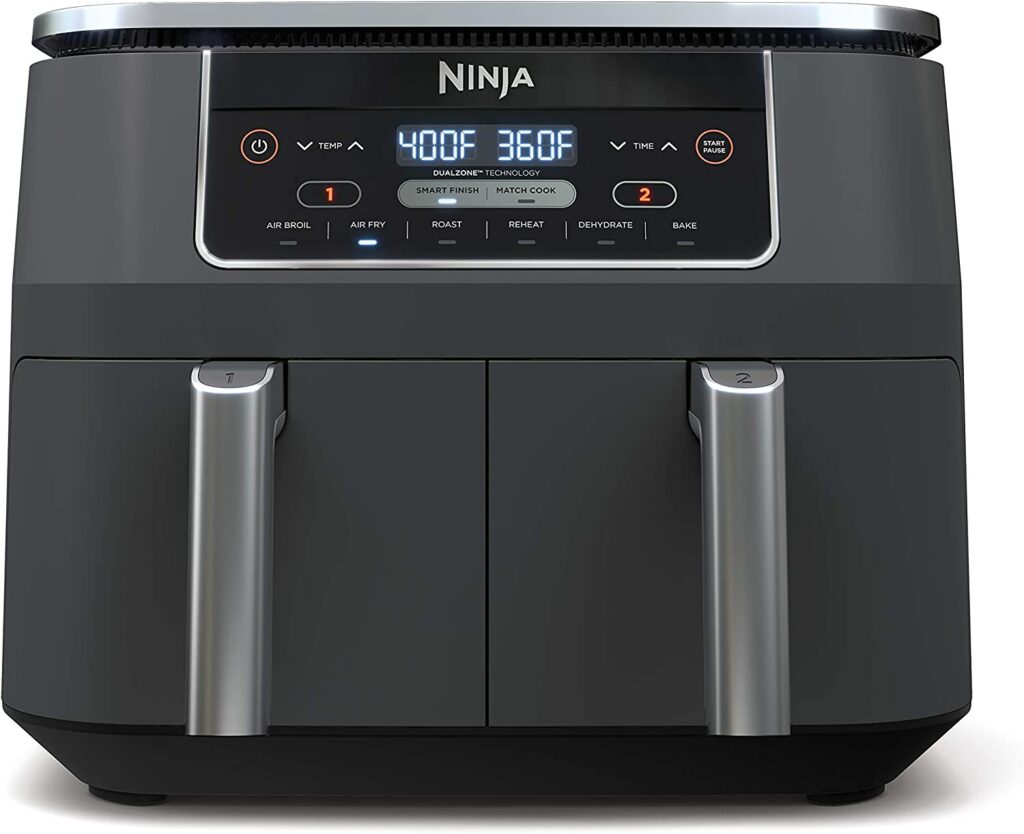
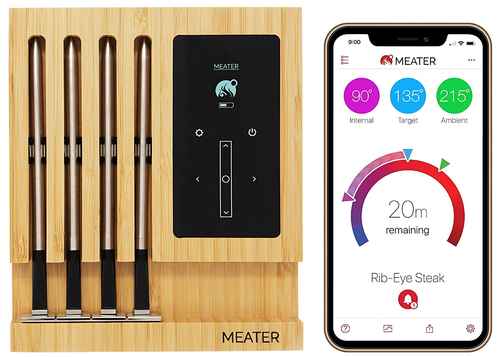
Fruit roll-ups are a nostalgic treat that conjures childhood memories of colorful, chewy snacks packed with fruity flavor. While they are commonly found in grocery stores in prepackaged form, making them at home allows for creativity, healthier ingredients, and a personalized taste profile. Traditionally, fruit roll-ups are made in an oven or dehydrator, but the modern air fryer offers a surprisingly efficient alternative. The air fryer, with its circulating hot air, mimics the drying effect of a low-temperature oven, reducing cooking time while maintaining the chewy, pliable texture that makes fruit roll-ups so enjoyable. Mastering the process requires attention to temperature, timing, and texture, and this guide will walk you through every step.
Optimal Air Fryer Temperature To Make Fruit Roll Ups In Air Fryer
Temperature control is critical when making fruit roll-ups in an air fryer. Too high, and the natural sugars in the fruit can burn; too low, and the fruit will take forever to dry, potentially fermenting or developing an undesired texture. For most fruits, the ideal air fryer temperature is 135-150°F (57-65°C). This low-and-slow approach allows moisture to evaporate without caramelizing the sugars too quickly.
It’s important to note that different air fryer models can have slight variations in temperature accuracy. Some models may fluctuate a few degrees above or below the set temperature. Using an oven thermometer inside the air fryer basket can help ensure precision. Maintaining this gentle heat mimics a dehydrator and is the key to achieving the perfect balance between pliability and chewiness.
How Long To Make Fruit Roll Ups In Air Fryer
The cooking time depends on the fruit type, thickness of the puree, and moisture content. Generally, fruit roll-ups in an air fryer require 2-4 hours at the recommended temperature. Thinner layers of fruit puree (about 1/8-1/4 inch) will dry faster, closer to 2 hours, while thicker layers may need up to 4 hours.
It’s best to check progress periodically after the first hour and every 30 minutes thereafter. Unlike baking or frying, where a precise time yields a consistent result, air fryer dehydration can vary due to differences in fruit water content and air circulation patterns. Patience is key.
How To Tell If It Is Done
Determining doneness is a tactile and visual process. The fruit roll-up should have a matte finish rather than a glossy, sticky appearance. When lightly touched, it should peel away easily from the parchment paper and remain pliable, not brittle.
A common test is to gently fold a corner: it should bend without tearing or sticking. Overcooked roll-ups become hard and candy-like, while undercooked ones are overly sticky and will not hold their shape when rolled. Achieving the correct texture ensures a satisfying chew without excess moisture that could shorten shelf life.
Ingredients Needed
To make fruit roll-ups, you need only a few simple ingredients:
- Fruit of your choice: Fresh or thawed frozen fruit works best (berries, mango, peaches, apples). Avoid fruits with very high water content unless pureed thoroughly.
- Sweetener (optional): Honey, maple syrup, or sugar, depending on the natural sweetness of the fruit.
- Lemon juice: About 1 teaspoon per cup of fruit to preserve color and enhance flavor.
- Optional flavor enhancers: Cinnamon, vanilla extract, or other spices for added complexity.
How To Make Fruit Roll Ups In Air Fryer
- Prepare the Fruit: Wash, peel, and chop the fruit. Puree in a blender or food processor until smooth. Add sweetener and lemon juice if desired.
- Line the Air Fryer Basket: Use parchment paper or a silicone mat to prevent sticking. Ensure the paper fits flat, avoiding any contact with the heating element.
- Spread the Puree: Pour the puree onto the lined basket and spread evenly with a spatula. Aim for 1/8-1/4 inch thickness.
- Air Fry: Set the air fryer to 135-150°F (57-65°C) and place the basket in the unit. Cook for 2-4 hours, checking periodically for doneness.
- Cool and Cut: Once done, let the fruit roll-up cool slightly. Peel it from the parchment paper and cut into strips using scissors or a knife.
- Roll and Store: Roll each strip in parchment or plastic wrap and store in an airtight container. Properly dried roll-ups can last 2-3 weeks at room temperature or longer in the refrigerator.
What If I Use A Different Air Fryer Temperature?
Adjusting the temperature will impact texture and cooking time:
- Lower Temperature (120-130°F / 49-54°C): Will take longer to dry, but can yield a more evenly chewy texture. Ideal for delicate fruits.
- Higher Temperature (155-170°F / 68-77°C): Speeds up drying but risks caramelizing sugars or making the roll-ups brittle. Can also darken fruit colors.
Always monitor closely if deviating from the recommended range to prevent burning or uneven drying.
What If I Use A Different Air Fryer Cooking Time?
Timing adjustments must consider thickness, moisture, and fruit type:
- Shorter Cooking Time: Likely results in sticky, underdeveloped roll-ups that tear easily. You may need additional drying in the air fryer or oven.
- Longer Cooking Time: Can produce hard, brittle strips. Keep the air fryer at a low temperature if extending the time to preserve chewiness.
It’s better to undercook slightly and check periodically than to overcook.
When Things Go Wrong
- Roll-ups Stick to Parchment: Ensure the puree layer isn’t too thin or sticky; lightly oil the parchment or use a silicone mat.
- Roll-ups Are Too Hard: Lower the temperature or reduce cooking time next batch. Over-dehydration causes brittleness.
- Roll-ups Remain Sticky: May need longer cooking or thinner spreading. High-moisture fruits require extra attention.
- Uneven Drying: Spread puree uniformly and rotate the basket occasionally for even airflow.
Expert Tips
- Use a Blender or Food Processor: A smooth puree dries evenly and avoids chewy lumps.
- Test with a Small Batch First: Each fruit and air fryer combination can behave differently.
- Rotate the Air Fryer Basket: For consistent drying, especially if your air fryer has hot spots.
- Store Properly: Roll-ups in parchment maintain texture better than those exposed to air.
- Experiment with Flavors: Spice it up with cinnamon, nutmeg, or ginger to create unique snacks.
FAQs
Can I Really Make Fruit Roll Ups In An Air Fryer?
Yes, you can make fruit roll ups in an air fryer. The appliance can dehydrate fruit purees quickly and evenly, producing a chewy and flavorful snack without needing an oven. The process usually involves spreading blended fruit on a silicone mat or parchment paper and cooking at a low temperature until it dries sufficiently.
Which Fruits Are Best For Making Air Fryer Fruit Roll Ups?
Fruits with naturally high pectin and lower water content work best, such as strawberries, mangoes, apples, and peaches. You can also combine fruits to create unique flavors. Avoid fruits with very high water content unless you cook them longer, as they may take more time to dehydrate.
Do I Need To Add Sugar Or Sweeteners To Make Fruit Roll Ups In An Air Fryer?
Adding sugar is optional. Many fruits are naturally sweet enough to create flavorful roll ups on their own. However, a small amount of honey or sugar can enhance flavor and help improve texture, making the roll ups less sticky and easier to peel.
What Temperature And Time Should I Use In The Air Fryer?
A common temperature range is 120°F to 140°F (50°C to 60°C), and cooking time varies from 2 to 4 hours depending on fruit moisture and thickness of the puree. It’s important to check periodically to avoid over-drying or burning the fruit.
How Do I Prevent The Fruit Roll Ups From Sticking To The Tray?
Using a silicone baking mat or parchment paper is essential. Lightly greasing the surface is optional but can help with easier removal. Ensure the puree is spread evenly to avoid thin edges that can stick or burn.
Can I Store Air Fryer Fruit Roll Ups For Later Use?
Yes, once fully dried and cooled, fruit roll ups can be stored in an airtight container at room temperature for up to 1-2 weeks. For longer storage, refrigeration or freezing can help maintain freshness and prevent them from becoming overly sticky.
Are There Any Tips To Improve Texture And Flavor?
To improve texture, ensure the puree is smooth before spreading and avoid spreading it too thin. Adding a small amount of lemon juice can enhance flavor and preserve color. For a chewier texture, slightly under-dry the puree; for crispier roll ups, allow it to dry a little longer.