
How To Make Salmon Skin Crispy In Air Fryer [FULL GUIDE]
Recommended Equipments:
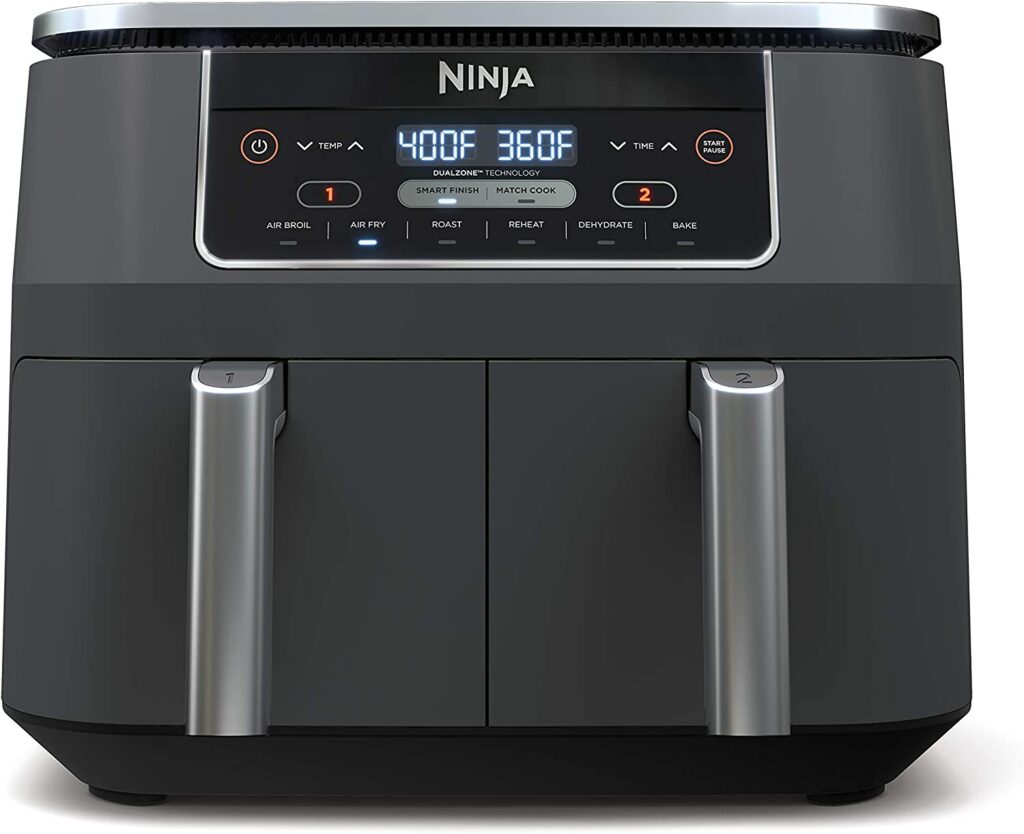

Salmon, with its rich, buttery texture and delicate flavor, is one of the most versatile and nutritious fish you can prepare at home. While perfectly cooked salmon can be delightful, achieving a salmon fillet with crispy skin elevates it to a restaurant-quality dish. The crisp, golden skin contrasts beautifully with the tender, flaky flesh, providing a satisfying textural interplay in every bite. Traditionally, achieving this level of crispiness required stovetop finesse or broiling techniques, but the air fryer has revolutionized home cooking. Using high-velocity circulating air, it allows you to cook salmon evenly, sealing in juices while producing a satisfyingly crisp exterior without excess oil. In this guide, we’ll explore the precise temperatures, timing, and techniques to consistently create crispy salmon skin in an air fryer.
Optimal Air Fryer Temperature To Make Salmon Skin Crispy In Air Fryer
Achieving perfectly crispy salmon skin in an air fryer hinges largely on temperature control. Most air fryer models function optimally between 350°F and 400°F (175°C-205°C) for fish. However, for maximum crispiness without overcooking the delicate flesh:
- Recommended temperature: 400°F (205°C)
- Rationale: At this temperature, the air fryer rapidly circulates hot air around the salmon skin, causing the natural fats in the skin to render and the skin to crisp, while simultaneously cooking the flesh gently. Lower temperatures risk leaving the skin soggy, while higher temperatures may burn it before the flesh reaches optimal doneness.
For those using thinner fillets (under 1-inch thick), 375°F (190°C) may prevent overcooking the flesh while still crisping the skin. Thick fillets benefit from a consistent 400°F to achieve a golden, crunchy exterior.
How Long To Make Salmon Skin Crispy In Air Fryer
Time and temperature work hand-in-hand. Cooking salmon at 400°F typically requires 8-12 minutes, depending on the thickness of the fillet:
- Thin fillets (½-¾ inch): 8-9 minutes
- Medium fillets (¾-1 inch): 10-11 minutes
- Thicker fillets (1-1.5 inches): 11-12 minutes
The key is to cook skin-side down first if your air fryer allows it, which maximizes contact with the hot basket and produces even browning. Some models require flipping midway for uniform crispiness, but often the skin side alone is enough. Overcooking beyond 12 minutes risks drying out the salmon, even if the skin is perfectly crisp.
How To Tell If It Is Done
Visual cues, touch, and internal temperature are all reliable indicators:
- Internal temperature: The FDA recommends cooking salmon to 145°F (63°C). A digital thermometer inserted into the thickest part should read this.
- Visual: Flesh should turn opaque and slightly firm. The skin should appear golden-brown and visibly crisp.
- Texture test: Gently press the top of the fillet. It should spring back slightly but flake easily with a fork.
Avoid relying solely on timing; fillet thickness and air fryer model variations can affect the exact cooking endpoint.
Ingredients Needed
To prepare salmon with crispy skin, you’ll need minimal but essential ingredients:
- Salmon fillets with skin on (preferably wild-caught for flavor and fat content)
- Olive oil or cooking spray (for coating the skin)
- Salt (to enhance flavor and aid crisping)
- Pepper (freshly cracked for optimal flavor)
- Optional flavor enhancers: garlic powder, smoked paprika, lemon zest, or fresh herbs like dill or thyme
Minimalism is key-the star is the salmon itself, and simple seasoning allows the skin’s crispiness to shine.
How To Make Salmon Skin Crispy In Air Fryer
- Prep the salmon: Pat the fillets dry with a paper towel-moisture is the enemy of crispiness.
- Season the skin: Lightly brush the skin with olive oil, then generously season with salt and pepper.
- Preheat the air fryer: Set to 400°F for 3-5 minutes. Preheating ensures immediate sizzle when the fillets hit the basket.
- Place skin-side down: Arrange fillets in a single layer, skin side down. Avoid overlapping.
- Cook: Air fry at 400°F for 8-12 minutes, depending on thickness. Flip halfway only if necessary.
- Check doneness: Look for golden-brown, crisp skin and opaque, flaky flesh. Use a thermometer if needed.
- Serve immediately: Crispy skin loses texture quickly once out of the hot air fryer.
What If I Use A Different Air Fryer Temperature?
Adjusting the temperature affects both texture and timing:
- Lower temperatures (350-375°F): Produces gentler cooking; skin may not crisp as well. Cooking time must be extended slightly (add 2-3 minutes).
- Higher temperatures (410-425°F): Skin crisps faster but increases the risk of overcooking the flesh. Watch closely-reduce cooking time by 1-2 minutes.
Air fryer models vary; experimentation within the recommended temperature range helps you find the perfect balance.
What If I Use A Different Air Fryer Cooking Time?
Timing is crucial:
- Shorter time: Skin may not render fully and could remain chewy or soft. Flesh may be undercooked.
- Longer time: Skin can burn, and salmon may dry out, losing its tender texture.
Always pair timing adjustments with careful observation and internal temperature checks for optimal results.
When Things Go Wrong
Even with careful planning, issues can occur:
- Skin sticks to the basket: Ensure the salmon is well-oiled and the basket is preheated. Use parchment paper designed for air fryers if sticking persists.
- Skin soggy instead of crispy: Increase the temperature slightly or ensure the fillet is patted thoroughly dry.
- Flesh overcooked while skin is crisp: Reduce cooking time or lower temperature slightly and monitor closely.
Mistakes are learning opportunities-small tweaks can make a big difference.
Expert Tips
- Dry brine the salmon: Salt the skin 15-30 minutes before cooking. This draws out excess moisture, enhancing crispiness.
- Use high-fat salmon: Atlantic or wild-caught salmon offers natural oils that help render a crisp skin.
- Avoid overcrowding: Air circulation is crucial; give each fillet space.
- Finish with a squeeze of lemon: Adds brightness and balances richness without softening the skin.
- Air fryer type matters: Basket-style air fryers produce more direct heat on the skin, improving crispiness, while drawer-style may require slight timing adjustments.
FAQs
What Is The Best Way To Prepare Salmon Skin For Crispiness In An Air Fryer?
To achieve crispy salmon skin, start by patting the skin dry with paper towels. Moisture prevents crisping, so ensure it is as dry as possible. Lightly season with salt, and optionally brush a thin layer of oil to enhance crispiness before air frying.
What Temperature Should I Set My Air Fryer To For Crispy Salmon Skin?
Set the air fryer to 400°F (200°C). This high heat helps render the fat in the skin and promotes a golden, crispy texture while cooking the salmon evenly.
How Long Should I Air Fry Salmon To Make The Skin Crispy?
Cook the salmon skin-side down for 7-10 minutes depending on thickness. Check for crispiness and adjust time if needed. Thicker fillets may require a few extra minutes, but avoid overcooking to prevent dryness.
Should I Use Oil When Air Frying Salmon Skin?
A light coating of oil on the skin is recommended. It helps conduct heat and enhances crispiness. Use oils with a high smoke point like avocado, grapeseed, or canola oil for best results.
Can I Season Salmon Skin Before Air Frying, And What Works Best?
Yes, seasoning before air frying enhances flavor. Salt is essential for crisping. You can also add pepper, garlic powder, paprika, or your favorite spice mix, but avoid wet marinades as they add moisture and reduce crispiness.
Do I Need To Preheat The Air Fryer For Crispy Salmon Skin?
Preheating the air fryer is recommended. It ensures that the salmon skin starts cooking immediately at a high temperature, which is key to achieving a crisp exterior without overcooking the flesh.
How Can I Prevent The Salmon Skin From Sticking To The Air Fryer Basket?
To prevent sticking, lightly brush the basket with oil or use a perforated parchment liner. Also, make sure the skin is dry before placing it in the air fryer. Avoid moving the fillet until the skin is crispy and releases naturally from the surface.