
How To Make Sun Dried Tomatoes In Air Fryer [FULL GUIDE]
Recommended Equipments:
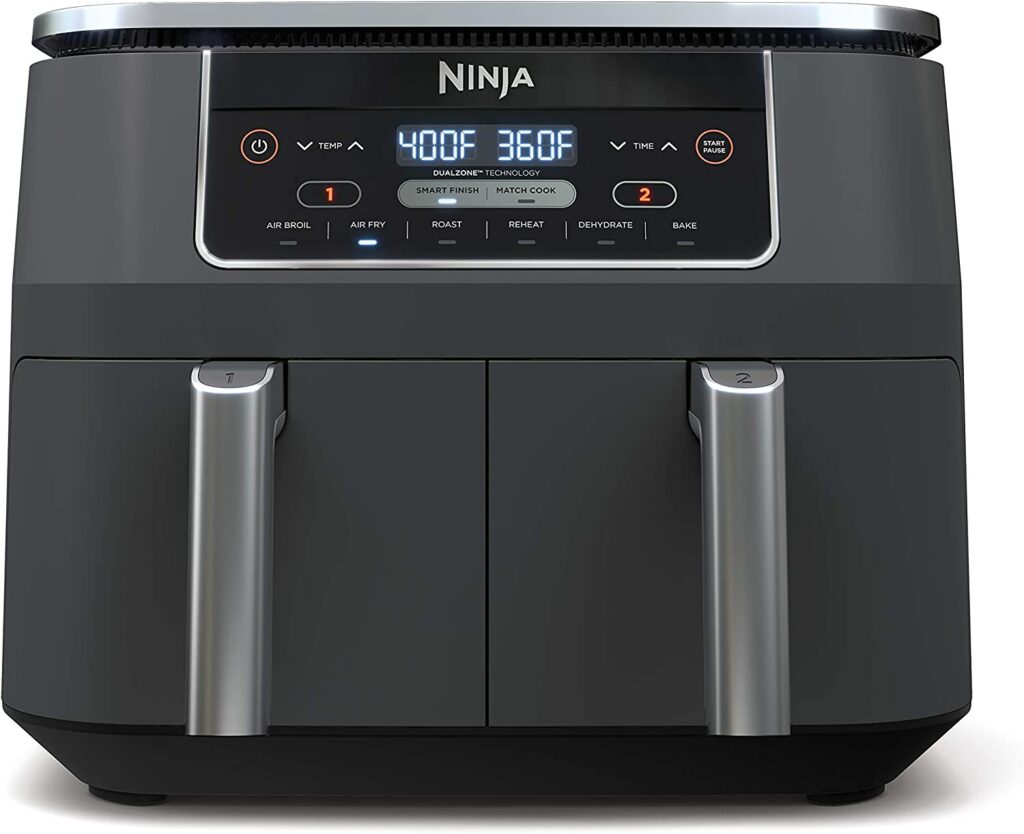

Sun-dried tomatoes are a culinary treasure, offering concentrated tomato flavor, a rich sweetness, and a slightly chewy texture that can elevate any dish-from pastas and salads to sandwiches and gourmet pizzas. Traditionally, sun-drying tomatoes was a labor-intensive process, requiring hours of exposure to sunlight or low-temperature oven roasting. However, modern technology has made it possible to replicate this process quickly and efficiently using an air fryer. The air fryer’s rapid circulation of hot air ensures even drying without the risk of burning, making it an ideal appliance for creating sun-dried tomatoes at home. By mastering the art of air-fried sun-dried tomatoes, you can enjoy a pantry staple that rivals store-bought versions in flavor and freshness.
Optimal Air Fryer Temperature To Make Sun Dried Tomatoes In Air Fryer
Temperature is critical when preparing sun-dried tomatoes in an air fryer. Too high a temperature, and the tomatoes may burn or dry unevenly; too low, and the drying process will take unnecessarily long. The ideal range for air-frying sun-dried tomatoes is 130-150°F (55-65°C) if your air fryer has a low-temperature setting. This temperature allows water to evaporate slowly, concentrating the natural sugars and flavors without caramelizing too quickly.
If your air fryer doesn’t display such low temperatures, aim for 160-170°F (70-75°C) as the upper limit. Anything beyond this risks turning the tomatoes into burnt or overly crispy pieces, losing the tender chew that defines quality sun-dried tomatoes. The key is consistent heat, slow drying, and even air circulation.
How Long To Make Sun Dried Tomatoes In Air Fryer
Air-frying sun-dried tomatoes is not a fast process-it requires patience. Depending on the tomato variety, size, and water content, drying in the air fryer generally takes 6 to 10 hours. Cherry tomatoes and smaller grape tomatoes will typically finish closer to the 6-hour mark, while larger beefsteak or plum tomatoes may take 8-10 hours.
It’s best to set your air fryer for incremental checks, allowing you to monitor the tomatoes for texture and moisture content without interrupting the drying process too frequently. A slow, steady process ensures maximum flavor concentration while maintaining that characteristic chewy texture.
How To Tell If It Is Done
Determining whether sun-dried tomatoes are done requires observation and touch. Properly dried tomatoes should:
- Be flexible yet slightly chewy, not brittle.
- Retain a vivid red color, without dark scorch marks.
- Feel leathery to the touch but not sticky or overly moist.
If you slice one open and see water pooling inside, it needs more time. Overcooked tomatoes will snap or crumble easily. A balance between moisture reduction and pliability is the hallmark of perfect sun-dried tomatoes.
Ingredients Needed
The ingredient list is minimal but impactful:
- Fresh ripe tomatoes (cherry, grape, or small plum varieties work best)
- Olive oil (optional, for lightly coating the tomatoes)
- Salt (to taste, enhances flavor and helps with drying)
- Optional herbs: basil, oregano, or thyme for added flavor
No sugar, no preservatives-just pure, natural flavor concentrated by the air fryer’s heat.
How To Make Sun Dried Tomatoes In Air Fryer
- Prep the tomatoes: Wash thoroughly and remove stems. Slice tomatoes in half lengthwise; larger tomatoes can be quartered.
- Season: Lightly sprinkle salt on the cut sides. Add a few drops of olive oil and optional herbs if desired.
- Arrange in air fryer: Place tomatoes cut side up in a single layer. Avoid overcrowding to ensure even air circulation.
- Set temperature: Choose 130-150°F (55-65°C) for slow drying or 160-170°F (70-75°C) if your air fryer lacks low settings.
- Cook slowly: Air-fry for 6-10 hours, checking every 1-2 hours. Rotate or stir the tomatoes if your air fryer tends to have hot spots.
- Check for doneness: Use the touch-and-bend method described above. Remove and cool.
- Store: Place in airtight containers or vacuum-sealed bags. Sun-dried tomatoes last several weeks in the fridge or months in the freezer.
What If I Use A Different Air Fryer Temperature?
- Higher temperatures (>170°F / 75°C): Tomatoes will dry faster but may lose their chewy texture and become brittle or scorched. The sugars may caramelize too quickly, creating an uneven, overly dark finish.
- Lower temperatures (<130°F / 55°C): Drying will be extremely slow and may risk bacterial growth if not monitored. However, it can produce exceptionally tender, flavor-concentrated tomatoes if done correctly over a very long time.
Temperature adjustments affect both texture and flavor intensity, so stick to recommended ranges for the best results.
What If I Use A Different Air Fryer Cooking Time?
- Shorter time (<6 hours): Tomatoes will remain too moist, possibly spoiling if stored. They may taste fresh but lack the concentrated sweetness of true sun-dried tomatoes.
- Longer time (>10 hours): Tomatoes may become hard, brittle, and overly dark, losing the flexible chew that makes them versatile in recipes.
Monitoring texture periodically is more important than strictly adhering to a clock, as moisture content varies with tomato type and air fryer model.
When Things Go Wrong
Common issues include:
- Uneven drying: Often due to overcrowding or hot spots. Solution: arrange in a single layer and rotate trays periodically.
- Burnt edges: Caused by high heat or small tomatoes. Reduce temperature or check sooner.
- Sticky or wet centers: Tomatoes weren’t dried long enough or were too large. Extend cooking time and slice tomatoes thinner next time.
Understanding the root cause helps you refine your technique quickly.
Expert Tips
- Choose the right tomato: Smaller, firmer tomatoes yield the best results. Avoid overripe or watery tomatoes.
- Consistency matters: Slice tomatoes evenly to ensure uniform drying.
- Season sparingly: Salt enhances drying but too much can draw out too much water, affecting texture.
- Use parchment paper: Prevents sticking without blocking airflow.
- Air circulation is key: Don’t overcrowd; leave space between pieces.
- Experiment with herbs: Basil, oregano, or rosemary can subtly elevate flavor without overpowering.
- Storage tip: Freeze in small portions for long-term use without losing quality.
FAQs
Can I Make Sun-dried Tomatoes In An Air Fryer?
Yes, an air fryer can be used to make sun-dried tomatoes by dehydrating them at low temperatures. It provides a faster and more controlled alternative to traditional sun-drying or oven-drying methods.
What Type Of Tomatoes Are Best For Air Fryer Sun-drying?
Small, firm tomatoes such as cherry or grape tomatoes work best because they have less water content and dry evenly. Roma or plum tomatoes are also suitable due to their dense flesh and lower moisture content.
How Should I Prepare Tomatoes Before Air Frying?
Wash the tomatoes thoroughly, remove the stems, and slice them evenly-typically in halves for small tomatoes or quarters for larger ones. Optionally, sprinkle with salt or herbs to enhance flavor and help draw out moisture.
What Temperature And Time Should I Use In An Air Fryer?
Set the air fryer to a low temperature, typically between 120°F (50°C) and 140°F (60°C). Drying can take 6 to 12 hours depending on the tomato size, thickness, and air fryer model. Check periodically for the desired chewy or leathery texture.
Do I Need To Use Oil When Making Sun-dried Tomatoes In An Air Fryer?
No, oil is not necessary for the drying process. However, after drying, you can store the tomatoes in olive oil with herbs for added flavor and longer shelf life.
How Do I Know When The Tomatoes Are Properly Dried?
Properly dried tomatoes should feel leathery, slightly pliable, and not sticky. They should not be wet or mushy. Over-drying can make them brittle, so check texture periodically during the process.
How Should I Store Air-fried Sun-dried Tomatoes?
Store dried tomatoes in an airtight container in a cool, dark place for up to a month. For longer storage, you can refrigerate or freeze them. Alternatively, submerge them in olive oil with seasonings to extend shelf life for several months.