
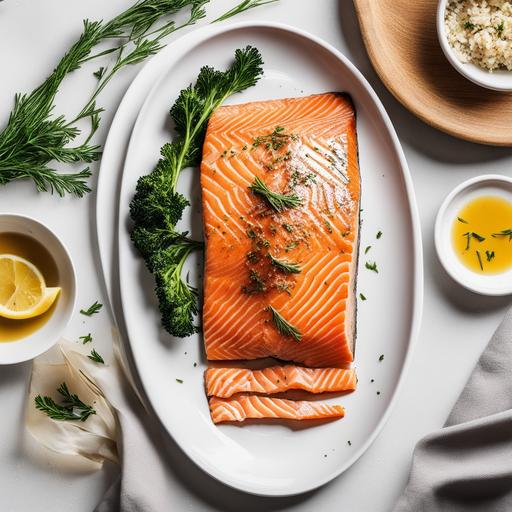
How To Cook Salmon In Air Fryer Oven [FULL GUIDE]
Recommended Equipments:
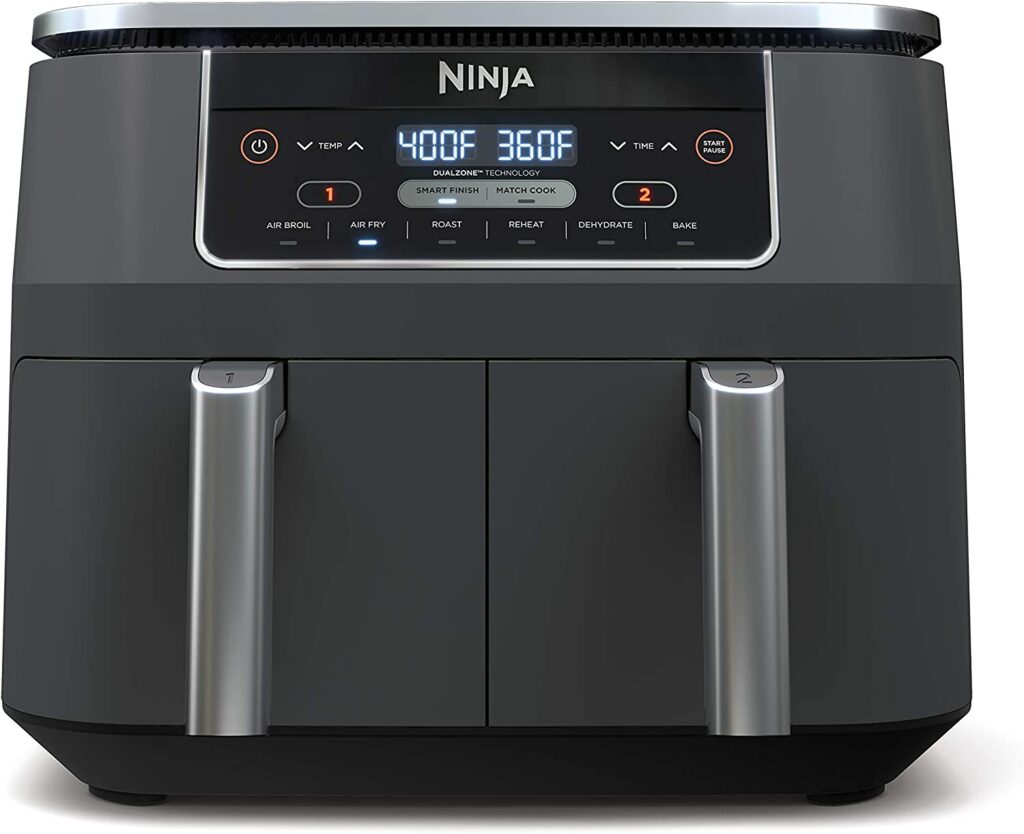
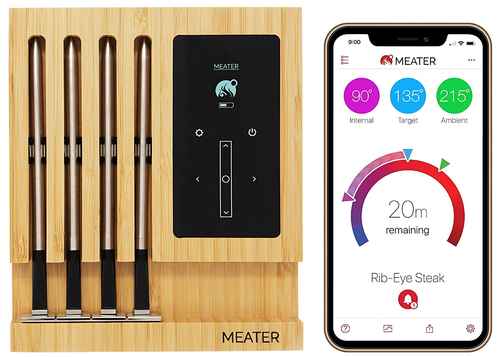
Cooking salmon has long been revered as a culinary art, but in recent years, the air fryer oven has emerged as a modern, convenient tool to achieve perfectly cooked salmon with minimal fuss. Unlike traditional baking or pan-searing, the air fryer oven uses rapid circulating hot air to cook the fish evenly, creating a delicate, flaky interior while maintaining a lightly crisp exterior. The result is salmon that is tender, flavorful, and cooked consistently without the risk of overcooking. In this guide, we’ll explore every aspect of preparing salmon in an air fryer oven-from the ideal temperature and timing to troubleshooting tips and expert insights-ensuring that your salmon always comes out restaurant-quality, every time.
Optimal Air Fryer Temperature To Cook Salmon In Air Fryer Oven
Temperature is arguably the most critical factor in air frying salmon. The goal is to achieve a balance between a flaky interior and a slightly caramelized exterior. Most culinary experts recommend an air fryer temperature of 375°F (190°C) for fresh salmon fillets. This temperature allows the fish to cook through evenly without drying out, while also creating a subtle browning on the surface.
If you prefer a slightly crisper exterior or are cooking thicker fillets, you might increase the temperature slightly to 400°F (205°C). Conversely, for thinner fillets or delicate salmon cuts, a lower temperature of 350°F (175°C) can prevent the fish from becoming dry or overcooked. It’s essential to remember that even a few degrees’ difference can affect cooking time and texture, so precise control of your air fryer’s temperature is crucial for optimal results.
How Long To Cook Salmon In Air Fryer Oven
Cooking time varies based on the thickness of your salmon fillets and whether they are fresh or frozen. As a general guideline:
- Fresh salmon fillets (1-inch thick): 8-12 minutes at 375°F (190°C)
- Thicker fillets (1.5 inches): 12-15 minutes at 375°F (190°C)
- Frozen salmon fillets: 15-20 minutes at 375°F (190°C), with a short preheat recommended
It is important to check the salmon midway through cooking, especially if your fillets vary in thickness. Air fryer ovens cook faster than traditional ovens, so frequent monitoring ensures the fish does not overcook and dry out.
How To Tell If It Is Done
Salmon is done when it reaches an internal temperature of 145°F (63°C) at the thickest part, according to USDA guidelines. However, culinary experts often prefer a slightly lower internal temperature of 135-140°F (57-60°C) for a more tender, medium-rare texture.
Visual cues include:
- The flesh becomes opaque and light pink throughout.
- The fish flakes easily when gently pressed with a fork.
- The juices run clear but retain a hint of moisture.
Avoid relying solely on time; internal temperature and texture are the most reliable indicators of doneness.
Ingredients Needed
The simplicity of salmon cooking allows the flavors of the fish to shine. You will need:
- 2-4 salmon fillets, skin-on or skinless
- 1-2 tablespoons olive oil or melted butter
- Salt and pepper to taste
- Optional seasonings: garlic powder, paprika, lemon zest, dried herbs (thyme, dill, or parsley)
- Optional garnish: fresh lemon wedges or chopped herbs for serving
The ingredients are minimal, but proper seasoning and a touch of oil or butter are crucial for a perfectly crispy, flavorful finish.
How To Cook Salmon In Air Fryer Oven
- Preheat your air fryer oven to 375°F (190°C). Preheating ensures even cooking from the start.
- Prepare the salmon: Pat fillets dry with a paper towel. Brush lightly with olive oil or butter and season generously with salt, pepper, and any optional spices.
- Place the salmon fillets skin-side down on the air fryer tray or basket, ensuring they are not touching. Proper airflow is essential for even cooking.
- Cook for 8-12 minutes (depending on thickness), checking halfway through to ensure even cooking.
- Check for doneness: Use a fork to see if the salmon flakes easily or a thermometer for precise temperature.
- Rest briefly: Remove the salmon and let it rest for 2-3 minutes before serving. This allows the juices to redistribute and enhances flavor.
What If I Use A Different Air Fryer Temperature?
Altering the air fryer temperature affects both texture and cooking time.
- Higher temperatures (400-425°F / 205-220°C): Salmon will cook faster, and the exterior will crisp more, but the risk of drying out increases. Shorter cooking times are essential.
- Lower temperatures (325-350°F / 160-175°C): Slower cooking preserves moisture and tenderness but may reduce browning. You may need to extend cooking time slightly.
Always pair temperature adjustments with careful timing and monitoring to achieve the desired doneness.
What If I Use A Different Air Fryer Cooking Time?
Changing the cooking time impacts both texture and juiciness:
- Shorter times: The interior may remain undercooked or raw in the thickest section. This is acceptable if you prefer medium-rare salmon but unsafe if consuming very thick or frozen fillets.
- Longer times: Overcooking leads to dry, stringy salmon. Even a couple of extra minutes can noticeably alter texture.
Consistency comes from balancing time, temperature, and thickness. Use a thermometer whenever in doubt.
When Things Go Wrong
Even in an air fryer oven, problems can occur:
- Salmon sticks to the tray or basket: Ensure it is lightly oiled and preheated, or consider parchment paper or a silicone liner.
- Salmon is dry or overcooked: Reduce temperature slightly or shorten the cooking time in future attempts.
- Salmon is undercooked: Increase time incrementally and check internal temperature frequently.
Proper preparation, seasoning, and monitoring minimize errors, but small adjustments are part of mastering air fryer cooking.
Expert Tips
- Use skin-on fillets when possible; the skin acts as a natural barrier to preserve moisture.
- Pat salmon dry before seasoning to encourage even browning.
- Avoid overcrowding the basket or tray; air must circulate for crisp, evenly cooked salmon.
- Experiment with marinades or glazes but apply lightly to prevent dripping into the air fryer.
- Rest the salmon for a few minutes after cooking to enhance juiciness.
- Use a digital thermometer for precision; visual cues alone can be misleading.
FAQs
What Is The Ideal Temperature For Cooking Salmon In An Air Fryer Oven?
The ideal temperature for cooking salmon in an air fryer oven is typically between 375°F (190°C) and 400°F (205°C). Cooking at this temperature ensures the salmon cooks evenly, retains moisture, and develops a slightly crisp exterior without overcooking.
How Long Should Salmon Be Cooked In An Air Fryer Oven?
Cooking time depends on the thickness of the salmon fillet. For fillets about 1 inch thick, cook for 7-10 minutes at 400°F (205°C). Thicker fillets may require up to 12 minutes. Check for doneness by ensuring the internal temperature reaches 145°F (63°C) and the flesh flakes easily with a fork.
Should I Season Salmon Before Using The Air Fryer Oven?
Yes, seasoning salmon before cooking enhances flavor. Common options include olive oil, salt, pepper, garlic powder, paprika, lemon juice, or fresh herbs. Apply a thin layer of oil or marinade to prevent sticking and to help achieve a golden, slightly crispy surface.
Do I Need To Preheat The Air Fryer Oven For Salmon?
Preheating is recommended for best results. Preheating the air fryer oven for 3-5 minutes ensures the salmon starts cooking immediately at the desired temperature, promoting even cooking and better texture.
Can I Cook Frozen Salmon In An Air Fryer Oven?
Yes, frozen salmon can be cooked directly in an air fryer oven. Increase the cooking time by 4-5 minutes compared to fresh fillets. It is best to season the salmon after partially thawing or lightly brushing with oil before cooking to improve flavor and texture.
How Do I Prevent Salmon From Sticking To The Air Fryer Basket?
To prevent sticking, lightly coat the air fryer basket with cooking spray or brush with oil. Alternatively, place a small piece of parchment paper or a silicone mat under the salmon. Ensure there is some space around the fillets for air circulation to maintain crispiness.
Can I Cook Salmon With Skin In An Air Fryer Oven?
Yes, salmon with skin can be cooked in an air fryer oven. Cooking skin-side down first helps render the fat and produces a crispy texture. This method also makes it easier to remove the skin after cooking if desired.