How To Cook Sockeye Salmon In Air Fryer [FULL GUIDE]
Recommended Equipments:
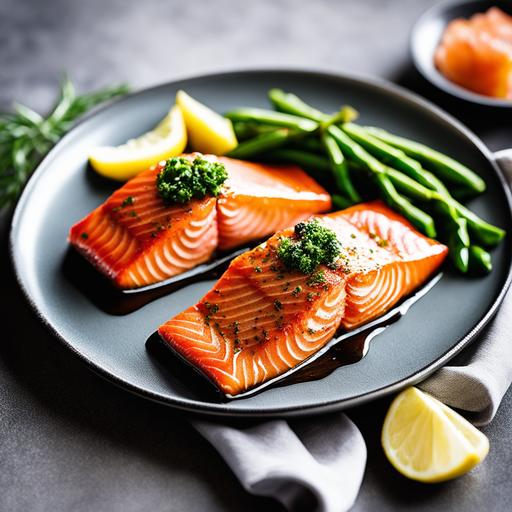
Sockeye salmon, renowned for its rich, vibrant red flesh and robust flavor, is a prized choice for seafood lovers. Unlike milder salmon varieties, sockeye has a distinct, deep taste that holds up well to various cooking methods. Using an air fryer to cook sockeye salmon is a game-changer for home cooks. This method delivers a beautifully crisp exterior while preserving the delicate, tender interior. Air frying is not only faster than traditional baking or pan-searing, but it also requires less oil, making it a healthier option without sacrificing flavor. Whether you’re a seasoned chef or a kitchen novice, mastering sockeye salmon in the air fryer can elevate your weeknight dinners and impress guests alike.
Optimal Air Fryer Temperature To Cook Sockeye Salmon In Air Fryer
Temperature control is crucial when air frying salmon to achieve a perfect balance between a flaky interior and slightly crisp edges. The ideal temperature for sockeye salmon in an air fryer is 400°F (204°C). This temperature is hot enough to quickly sear the outside, locking in moisture and flavor, yet gentle enough to prevent overcooking. Temperatures lower than 375°F may result in a longer cook time, which could dry out the fish, while temperatures higher than 425°F risk burning the exterior before the interior reaches a safe, tender doneness. Maintaining a steady temperature ensures even cooking and allows the natural oils and flavor of sockeye salmon to shine.
How Long To Cook Sockeye Salmon In Air Fryer
Cooking time depends on the thickness of the salmon fillets. For standard fillets around 1-inch thick, the typical cook time at 400°F is 8-10 minutes. Thicker fillets (1.5 inches or more) may require 12-14 minutes. Thin fillets may cook in as little as 6-7 minutes. It’s important to note that air fryers can vary slightly in performance, so checking the salmon a few minutes before the suggested time is advisable. Overcooked sockeye salmon becomes dry and loses its natural, buttery texture, so precise timing is essential.
How To Tell If It Is Done
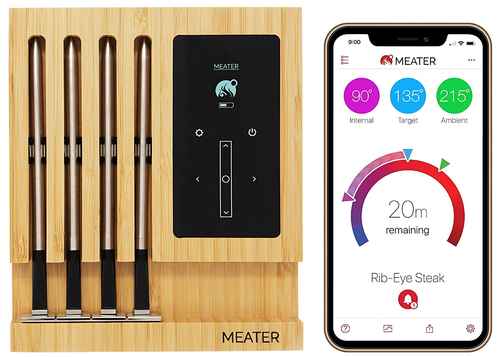
Sockeye salmon is done when it reaches an internal temperature of 145°F (63°C), measured at the thickest part of the fillet using a food thermometer. Visually, the fish will appear opaque and flake easily with a fork. The flesh should separate effortlessly along the muscle lines without appearing mushy or raw in the center. Another indicator is the skin, if left on: it should be crisp and slightly golden, providing a pleasant texture contrast.
Ingredients Needed
To cook sockeye salmon in an air fryer, you’ll need:
- 2 sockeye salmon fillets (about 6 oz each, skin-on or off)
- 1-2 tablespoons olive oil or avocado oil
- Salt, to taste
- Black pepper, to taste
- Optional seasonings: garlic powder, paprika, lemon zest, fresh dill, or a drizzle of soy sauce or honey for extra flavor
- Lemon wedges, for serving
How To Cook Sockeye Salmon In Air Fryer
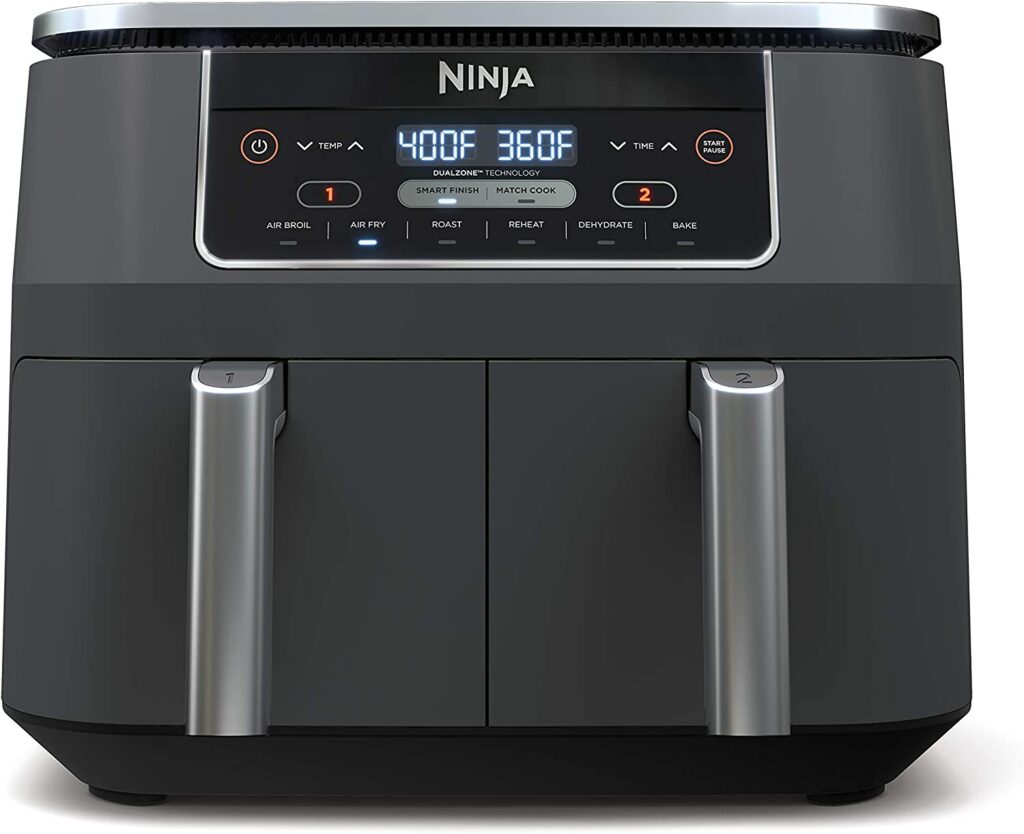
- Preheat the air fryer to 400°F (204°C).
- Prepare the salmon fillets: Pat them dry with paper towels to remove excess moisture, which helps achieve a crispier exterior. Brush both sides lightly with oil. Season with salt, pepper, and optional spices.
- Place fillets in the air fryer basket skin-side down, ensuring they do not overlap. This allows proper air circulation.
- Cook for 8-10 minutes, checking halfway to prevent overcooking. Adjust the time slightly depending on thickness.
- Check for doneness using a thermometer or fork test. If not done, cook for an additional 1-2 minutes.
- Serve immediately, garnished with lemon wedges or fresh herbs.
What If I Use A Different Air Fryer Temperature?
- Lower temperatures (350-375°F / 177-190°C): The salmon will cook more slowly, potentially retaining more moisture but losing some crispiness. Expect a cook time closer to 12-15 minutes.
- Higher temperatures (425-450°F / 218-232°C): The exterior will crisp faster, but the interior may overcook or dry out if not monitored carefully. Reducing the cooking time is essential at these temperatures.
What If I Use A Different Air Fryer Cooking Time?
- Shorter time than recommended: Salmon may remain undercooked in the center, with a raw texture that can be unpleasant or unsafe. Always check the thickest part with a thermometer.
- Longer time than recommended: The salmon will likely dry out and lose its natural tenderness. Even a 1-2 minute excess can make a noticeable difference with delicate fish like sockeye.
When Things Go Wrong
Common pitfalls include:
- Dry or overcooked salmon: Usually caused by excessive heat or cooking time. Solution: reduce temperature slightly and check earlier.
- Salmon sticking to the basket: Ensure the fillets are lightly oiled and the basket is not overcrowded.
- Uneven cooking: Fillets of different thicknesses can cook at different rates; consider air frying similar-sized fillets together.
- Burnt exterior: Avoid using sugars or heavy marinades that may burn at high heat; brush lightly and adjust time if needed.
Expert Tips
- Use a thermometer to remove all guesswork; perfect salmon relies on precision.
- Pat dry for crisp skin: Moisture is the enemy of crispiness.
- Do not overcrowd the basket: Proper airflow ensures even cooking.
- Experiment with flavor: Sockeye pairs beautifully with citrus, herbs, or miso-based glazes.
- Rest briefly: Let the salmon rest for 1-2 minutes after air frying; it continues to cook slightly and retains juices.
FAQs
What Is The Best Temperature To Cook Sockeye Salmon In An Air Fryer?
For perfectly cooked sockeye salmon, preheat your air fryer to 400°F (204°C). This temperature allows the salmon to cook quickly while maintaining a tender and moist interior, and it also promotes a slightly crisp exterior.
How Long Should I Cook Sockeye Salmon In An Air Fryer?
Cooking time typically ranges from 7 to 10 minutes, depending on the thickness of the fillet. A standard 1-inch thick fillet will usually take around 8 minutes. It’s important to check for an internal temperature of 145°F (63°C) to ensure the salmon is fully cooked.
Should I Season Sockeye Salmon Before Air Frying?
Yes, seasoning enhances flavor. A simple approach is to brush the salmon with olive oil and season with salt, pepper, and optional herbs like dill or paprika. Marinating for 15-30 minutes prior to cooking can further deepen the flavor.
Do I Need To Use Parchment Paper Or Foil In The Air Fryer?
Using parchment paper or a perforated foil liner can help prevent the salmon from sticking to the air fryer basket. Make sure the liner has holes or is perforated to allow proper air circulation for even cooking.
Can I Cook Frozen Sockeye Salmon In An Air Fryer?
Yes, frozen salmon can be cooked directly in an air fryer, but it will require slightly longer cooking time, usually 12-15 minutes at 400°F (204°C). It is recommended to season after partially thawing or spray with oil for better browning.
How Can I Ensure The Salmon Stays Moist In The Air Fryer?
To retain moisture, lightly coat the salmon with oil and avoid overcooking. Checking internal temperature with a thermometer and removing the salmon once it reaches 145°F (63°C) ensures it remains juicy. You can also add a small pat of butter or a squeeze of lemon after cooking for extra moisture and flavor.
Is It Necessary To Flip The Salmon During Air Frying?
Flipping is optional for sockeye salmon fillets. Thinner fillets typically cook evenly without flipping, but for thicker pieces, flipping halfway through the cooking process can help achieve uniform browning on both sides.