
How To Dehydrate Food In Air Fryer [FULL GUIDE]
Recommended Equipments:
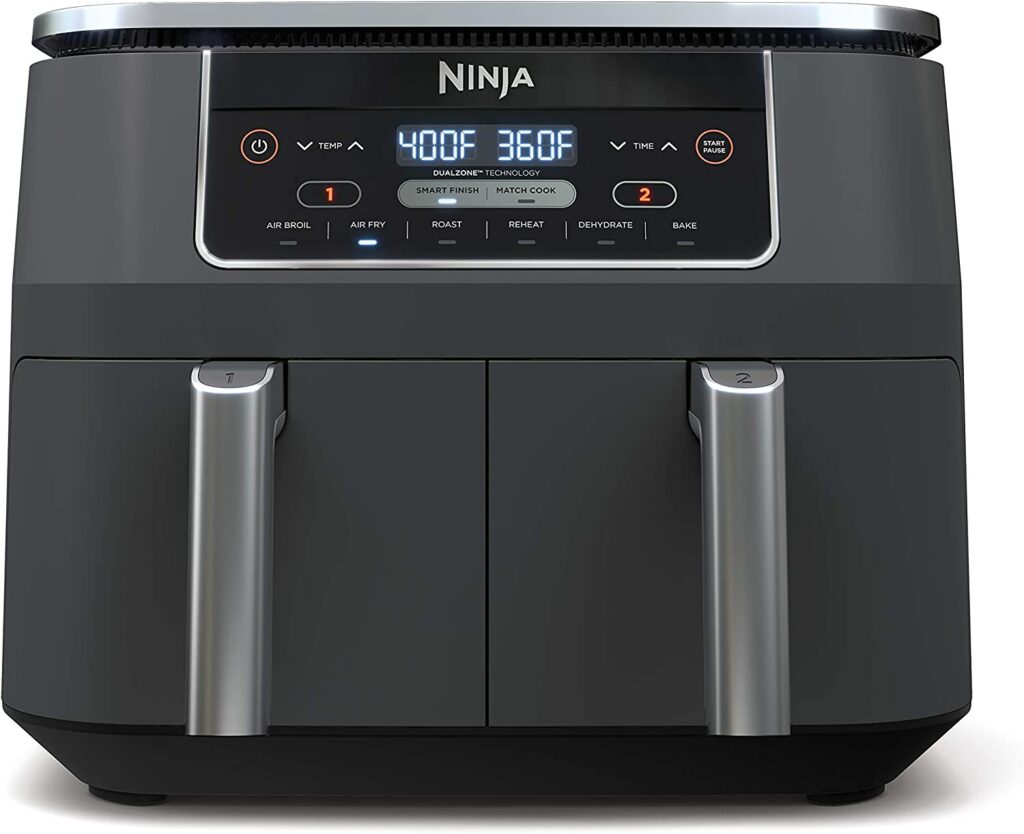
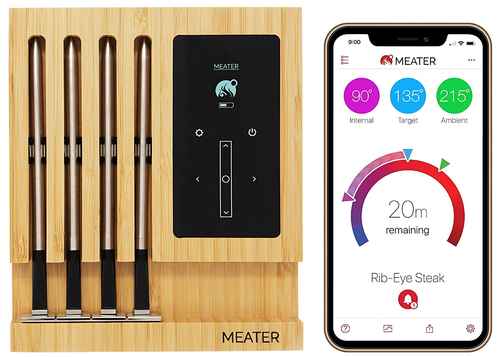
Dehydrating food is an ancient preservation technique, transforming fresh fruits, vegetables, and even meats into lightweight, long-lasting versions of themselves without compromising flavor or nutrients. Traditionally, this required specialized dehydrators, low-temperature ovens, or simply the sun. However, modern culinary technology has made it easier than ever: enter the air fryer. While commonly celebrated for producing crispy fries and golden chicken, air fryers are surprisingly adept at gently removing moisture from food. Dehydrating in an air fryer combines efficiency, convenience, and the thrill of experimenting with textures and flavors. From sweet dried mangoes to savory jerky, this method allows for quick experimentation, small batches, and even energy savings, all while retaining nutritional integrity. Understanding the nuances of temperature, timing, and food preparation is essential to mastering the art of air fryer dehydration.
Optimal Air Fryer Temperature To Dehydrate Food In Air Fryer
Temperature is the heartbeat of dehydration. Too high, and the exterior may char before the interior has dried; too low, and the process becomes frustratingly slow, sometimes risking spoilage. The ideal air fryer temperature for dehydrating most fruits, vegetables, and herbs lies in the low range of 120°F to 160°F (50°C to 70°C).
- Fruits like apples, bananas, and berries benefit from 135°F to 145°F (57°C to 63°C), balancing moisture removal with flavor preservation.
- Vegetables such as zucchini, carrots, or bell peppers often require slightly higher heat, around 140°F to 155°F (60°C to 68°C), since their dense structure holds more water.
- Meats, particularly for jerky, need careful handling; the temperature should be higher to ensure safety-usually 160°F to 165°F (71°C to 74°C) to inhibit bacterial growth while dehydrating.
Using a thermometer is optional but highly recommended, as not all air fryers maintain perfectly stable low heat. Some models, designed for frying, may fluctuate, so manually checking early batches will help establish the perfect temperature range for your specific device.
How Long To Dehydrate Food In Air Fryer
Dehydration is a slow, patient process. Unlike baking, which is rapid and aggressive, drying food relies on gradual moisture removal. Air fryer dehydration times vary widely depending on the food’s water content, thickness, and air circulation.
- Thinly sliced fruits (apple slices, banana chips): 3-6 hours
- Thicker fruits or vegetables (pear slices, carrots): 6-8 hours
- Leafy herbs (basil, parsley, thyme): 1-3 hours
- Meat jerky (thin strips): 4-6 hours
Always arrange food in a single layer, leaving space for air circulation. Overcrowding can significantly increase dehydration time. Because air fryers have different airflow patterns than traditional dehydrators, it is better to check periodically rather than strictly follow a timer.
How To Tell If It Is Done
Determining doneness in dehydration is less about visual cues and more about texture and moisture content:
- Fruits: They should feel leathery and pliable without sticky moisture. Biting into a properly dehydrated fruit should yield a chewy texture that is dry but not brittle.
- Vegetables: Should snap or break easily, with no residual moisture inside.
- Herbs: Should crumble effortlessly between fingers, releasing fragrance.
- Jerky: Should bend without breaking and show no signs of raw or wet centers.
If in doubt, allow the food to cool completely before performing a final texture check; cooling can slightly firm up moisture that is still warm.
Ingredients Needed
Dehydration in an air fryer is versatile, requiring minimal preparation. Core ingredients include:
- Fresh fruits: apples, bananas, mangoes, strawberries
- Fresh vegetables: zucchini, carrots, bell peppers, tomatoes
- Herbs: basil, rosemary, thyme, parsley
- Meats: lean cuts for jerky (beef, turkey, chicken)
- Optional seasonings: salt, sugar, spices, marinades
A sharp knife or mandoline for uniform slicing, parchment paper or air fryer racks, and a clean, dry storage container complete the setup. Precision in slicing ensures consistent dehydration times.
How To Dehydrate Food In Air Fryer
- Prepare the food: Wash, peel, core, or trim as needed. Slice uniformly to ensure even drying.
- Optional seasoning: For savory items or jerky, marinate or season to taste.
- Arrange in air fryer: Lay slices in a single layer on a rack or perforated tray, avoiding overlap.
- Set the temperature: Adjust your air fryer to the optimal low range (120°F-160°F).
- Start dehydration: Begin with the recommended time for your specific food.
- Check periodically: Rotate or shake trays if necessary, and monitor texture.
- Cool and store: Once done, let the food cool completely before storing in airtight containers to prevent moisture reabsorption.
What If I Use A Different Air Fryer Temperature?
- Higher than recommended: The food’s exterior may crisp or burn while moisture remains inside, creating uneven dehydration. Nutrients and flavors may also degrade.
- Lower than recommended: Dehydration may take excessively long, increasing the risk of spoilage or bacterial growth. It’s safe for herbs and extremely thin slices but impractical for dense fruits, vegetables, or meats.
Consistency is key; slight deviations are acceptable if you monitor the process carefully.
What If I Use A Different Air Fryer Cooking Time?
- Shorter time: Food will remain partially hydrated, often resulting in spoilage if stored. It may feel sticky or soft instead of dry.
- Longer time: Over-drying can produce brittle, almost powdery textures. While safe, it may be less palatable.
The best approach is to combine estimated times with texture testing for each batch.
When Things Go Wrong
Common dehydration mishaps include:
- Uneven drying: Usually caused by overlapping slices or poor airflow. Solution: rearrange slices or use racks to increase circulation.
- Burned edges: Heat too high or slices too thin. Solution: reduce temperature, check slices more frequently.
- Mold or spoilage: Often from storing food before it fully cooled or dehydrated. Solution: ensure thorough drying and airtight storage.
- Sticky or chewy results: Indicates high moisture content remained. Solution: extend dehydration time and check consistency in small increments.
Expert Tips
- Uniformity is everything: The thinner and more consistent the slices, the faster and more evenly food will dry.
- Rotate trays: Air fryers vary in airflow; rotating racks halfway ensures even results.
- Use parchment paper: Prevents small or sticky items from falling through the basket.
- Avoid overcrowding: Air circulation is the lifeblood of dehydration.
- Monitor early batches: Every air fryer behaves differently; test small batches to calibrate temperature and timing.
- Store properly: Keep dehydrated food in airtight containers in a cool, dark place to maximize shelf life.
FAQs
What Types Of Foods Can I Dehydrate In An Air Fryer?
You can dehydrate a wide variety of foods in an air fryer, including fruits like apples, bananas, and berries; vegetables such as tomatoes, bell peppers, and zucchini; herbs like basil and parsley; and even meats for jerky. However, foods with high water content may require longer drying times and careful monitoring to prevent burning.
Do I Need Special Trays Or Accessories To Dehydrate Food In An Air Fryer?
While many air fryers come with perforated baskets or trays, it is recommended to use mesh or perforated racks that allow airflow around the food for even dehydration. Some users also use parchment paper or silicone mats to prevent sticking, but ensure they do not block airflow.
What Temperature And Time Settings Should I Use For Dehydrating Food?
Most air fryers can dehydrate food effectively at a low temperature range of 120°F to 160°F (50°C to 70°C). The time varies based on food type and thickness: thin fruit slices may take 2-4 hours, vegetables can take 4-6 hours, and meat jerky may take 4-8 hours. It is important to check periodically and flip or rotate the pieces if needed.
How Do I Prepare Food For Dehydration In An Air Fryer?
Preparation includes washing and thoroughly drying the food, slicing it into uniform pieces for even drying, and optionally blanching vegetables to preserve color and texture. Fruits can be pre-treated with lemon juice or ascorbic acid to prevent browning. For meat, marinating before dehydration can enhance flavor and aid preservation.
How Do I Know When The Food Is Fully Dehydrated?
Fully dehydrated food should be dry, firm, and slightly leathery without any moisture pockets. Fruits should be pliable but not sticky, vegetables should snap or break easily, and jerky should be firm and slightly bendable. Testing a small piece and letting it cool can help determine if it has dried thoroughly.
How Should I Store Dehydrated Food From An Air Fryer?
Once completely cooled, store dehydrated foods in airtight containers, vacuum-sealed bags, or glass jars in a cool, dark, and dry place. Properly stored dehydrated foods can last several months, while vacuum-sealed items may last up to a year. Avoid moisture and direct sunlight to maintain quality.
Are There Safety Tips Or Precautions When Dehydrating Food In An Air Fryer?
Yes. Ensure your air fryer can operate safely at low temperatures for extended periods, avoid overcrowding trays to maintain airflow, and check food regularly to prevent burning. For meats, ensure they reach a safe internal temperature before storage to prevent bacterial growth. Additionally, never leave the air fryer unattended for prolonged periods.