

How To Make Homemade French Toast In Air Fryer [FULL GUIDE]
Recommended Equipments:
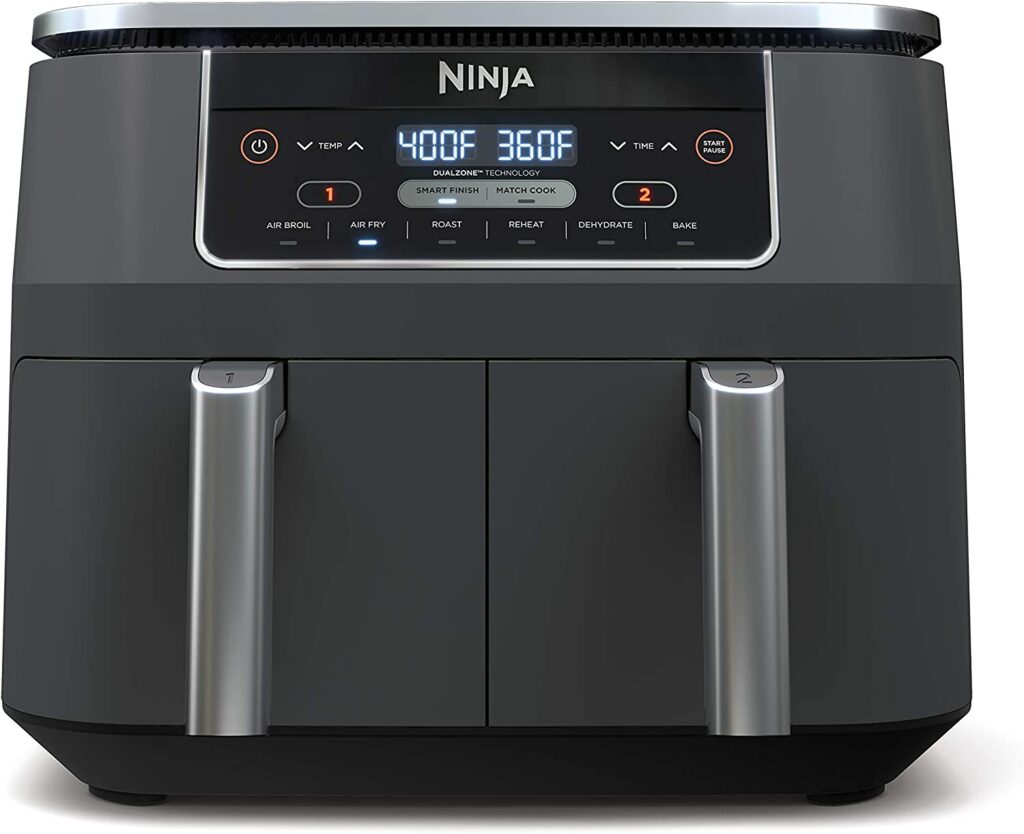
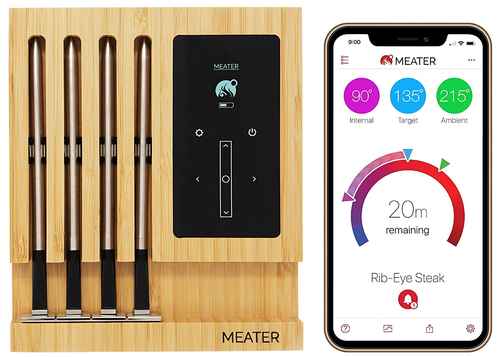
French toast is a classic breakfast favorite, known for its golden exterior, custardy interior, and versatility as both a sweet and savory dish. Traditionally cooked on a stovetop, French toast requires constant attention to achieve that perfect balance of a slightly crisp crust and tender middle. Enter the air fryer-a modern kitchen marvel that promises convenience, reduced oil usage, and remarkably consistent results. Using an air fryer to make homemade French toast elevates the dish by ensuring even cooking and a satisfyingly crisp surface while keeping the inside soft and flavorful. In this guide, we’ll delve into every detail, from temperature settings and timing to troubleshooting, so you can master the art of air fryer French toast.
Optimal Air Fryer Temperature To Make Homemade French Toast In Air Fryer
Temperature is a critical factor when air frying French toast. For most standard air fryers, setting the temperature to 370°F (188°C) is optimal. This temperature allows the exterior to brown beautifully without overcooking the custard inside. Lower temperatures may result in under-browned toast, leaving it soft and unappealing on the outside, while higher temperatures risk burning the exterior before the inside has fully set. Some air fryer models have hotter or cooler “hot spots”, so slight adjustments-within a range of 360-380°F (182-193°C)-may be necessary. Using an air fryer with a preheat function ensures that the French toast begins cooking immediately at the ideal temperature, enhancing texture and flavor.
How Long To Make Homemade French Toast In Air Fryer
Cooking time varies slightly depending on the thickness of the bread and whether the slices are soaked lightly or heavily in custard. For standard ¾-inch slices:
- Cook for 8-10 minutes, flipping halfway through.
- Thicker slices (1 inch or more) may require 10-12 minutes to ensure the interior is fully cooked.
Flipping is crucial because air fryers circulate hot air, which can cause uneven browning if one side remains unexposed. Monitoring the toast in the final minutes helps prevent over-browning and ensures that each slice achieves the desired golden hue.
How To Tell If It Is Done
Determining whether air fryer French toast is done involves visual cues, texture, and a light touch. Look for:
- Golden brown color: The exterior should be evenly browned, not dark or burnt.
- Slight firmness: Press lightly in the center; it should spring back gently without feeling raw.
- Custard set: The interior should be soft but not liquidy. Cutting into a slice should reveal a creamy, slightly airy center.
A helpful trick is to use a toothpick: insert it into the center of a slice. If it comes out clean or with minimal residue, the French toast is fully cooked.
Ingredients Needed
The ingredients for air fryer French toast are simple but essential for flavor and texture:
- 4 slices of thick bread (brioche, challah, or Texas toast work best)
- 2 large eggs
- ½ cup milk (whole milk or cream for richer flavor)
- 1 tablespoon sugar (optional)
- ½ teaspoon ground cinnamon
- ¼ teaspoon ground nutmeg (optional)
- 1 teaspoon vanilla extract
- Pinch of salt
- Cooking spray or a light brush of melted butter
Optional toppings: powdered sugar, maple syrup, fresh berries, or whipped cream.
How To Make Homemade French Toast In Air Fryer
- Preheat the air fryer to 370°F (188°C).
- Prepare the custard: In a shallow bowl, whisk together eggs, milk, sugar, cinnamon, nutmeg, vanilla extract, and salt.
- Soak the bread: Dip each slice into the custard, ensuring both sides are fully coated. Allow excess liquid to drip off.
- Prepare the air fryer basket: Lightly spray with cooking spray or brush with melted butter to prevent sticking.
- Place slices in the air fryer: Arrange in a single layer without overlapping.
- Cook: Air fry for 8-10 minutes, flipping halfway through. Adjust time based on slice thickness.
- Serve immediately: Top with desired toppings while warm.
What If I Use A Different Air Fryer Temperature?
Adjusting the temperature changes both texture and cooking dynamics:
- Lower temperature (350°F / 177°C): The toast will cook more slowly, resulting in a softer exterior. Interior may remain creamier, but browning will be lighter. Add 1-2 extra minutes if necessary.
- Higher temperature (400°F / 204°C): The exterior will crisp quickly, but the custard inside may remain undercooked if not closely monitored. Reducing cooking time or flipping earlier can help avoid burning.
What If I Use A Different Air Fryer Cooking Time?
Time adjustments primarily affect moisture and texture:
- Shorter cooking time: May leave the toast undercooked, with a runny center.
- Longer cooking time: Results in a firmer, drier interior and darker, potentially burnt exterior. Always monitor in the last few minutes to achieve the desired balance.
When Things Go Wrong
Even with an air fryer, mishaps can occur:
- French toast sticks to the basket: Ensure the basket is lightly greased or use parchment paper designed for air fryers.
- Exterior burns before inside is cooked: Lower temperature and increase cooking time slightly. Flip more frequently for even browning.
- Bread is soggy: Avoid over-soaking in custard. Use slightly stale bread, which absorbs the custard better without collapsing.
- Uneven browning: Ensure slices are spaced apart and flip halfway through.
Expert Tips
- Use day-old bread: Fresh bread can become too soft and collapse.
- Don’t over-soak: 20-30 seconds per side is usually sufficient.
- Even slices: Thicker slices allow a custardy interior while still crisping outside.
- Preheat your air fryer: Ensures immediate, even cooking.
- Experiment with spices: Cardamom, ginger, or pumpkin spice can elevate flavor.
- Reheat without losing crispiness: Reheat in the air fryer for 2-3 minutes rather than the microwave.
FAQs
Can You Make French Toast In An Air Fryer?
Yes, you can make French toast in an air fryer. The air fryer provides a convenient, healthier alternative to traditional pan-frying by using hot air to cook the toast with less oil, resulting in a crispy, golden exterior while keeping the inside soft and custardy.
What Type Of Bread Is Best For Making French Toast In An Air Fryer?
The best types of bread for French toast are thick-sliced varieties like brioche, challah, or Texas toast. These types of bread soak up the custard mixture without becoming too soggy and hold their shape during cooking in the air fryer.
Do I Need To Preheat My Air Fryer To Make French Toast?
Yes, preheating your air fryer is recommended for even cooking. Preheat the air fryer to around 350°F (175°C) for optimal results. This ensures that the French toast cooks evenly and develops a crispy exterior.
How Do I Prepare The Custard Mixture For French Toast?
To make the custard mixture, whisk together eggs, milk (or cream for a richer texture), sugar, cinnamon, and vanilla extract. For added flavor, you can also include a pinch of salt. The mixture should be smooth and well-combined before dipping the bread.
How Long Do I Cook French Toast In An Air Fryer?
Cook French toast in an air fryer for 8-10 minutes at 350°F (175°C), flipping halfway through. The cooking time may vary depending on the thickness of your bread and the specific model of your air fryer, so keep an eye on it for a golden, crispy exterior.
Do I Need To Spray Oil On The French Toast Before Cooking It In The Air Fryer?
It’s a good idea to lightly spray the French toast with cooking oil or use a pastry brush to apply a small amount of butter or oil. This will help achieve a crisp, golden texture. You can also brush the air fryer basket with a non-stick spray to prevent sticking.
Can I Make French Toast In The Air Fryer Without Eggs For A Vegan Option?
Yes, you can make a vegan version of French toast by using an egg substitute like a mixture of unsweetened plant-based milk (such as almond or oat milk), a bit of cornstarch or chickpea flour for binding, and spices like cinnamon and vanilla for flavor.