
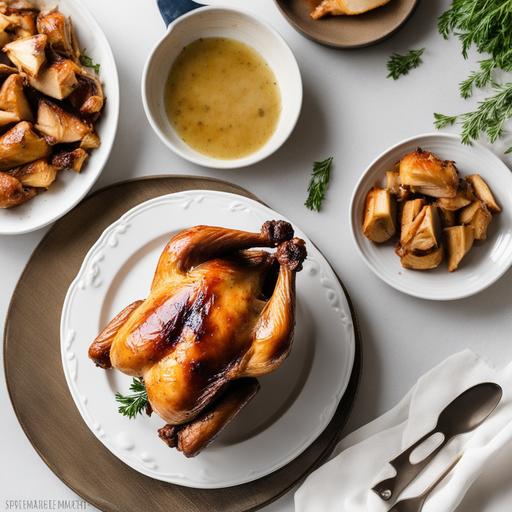
How To Cook Rotisserie Chicken In Air Fryer [FULL GUIDE]
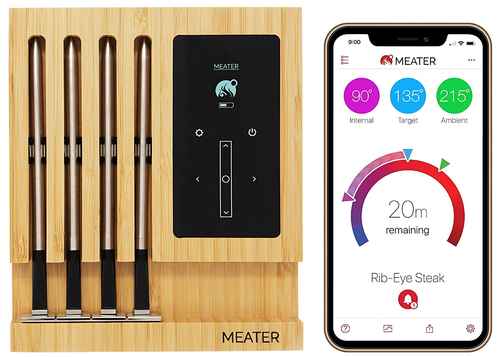
Recommended Equipments:
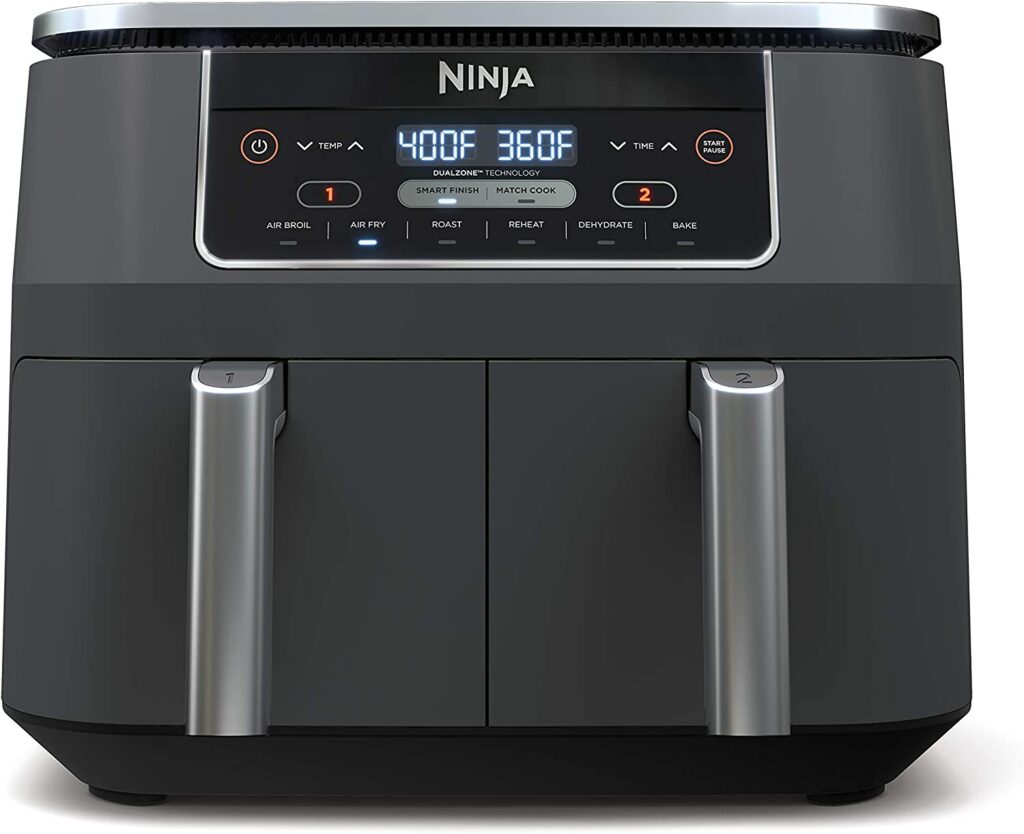
Rotisserie chicken has long been a staple for both busy weeknights and gourmet dinners alike, prized for its juicy, tender meat and crispy, golden skin. Traditionally cooked on a rotisserie spit, this method allows the chicken to self-baste, resulting in a flavorful, succulent bird. However, not everyone has access to a rotisserie oven, and this is where the air fryer comes in. Air fryers mimic the circulating hot air of a rotisserie, allowing the skin to crisp up while keeping the interior moist. Cooking a rotisserie-style chicken in an air fryer is not just convenient-it can be faster, healthier, and surprisingly close to the restaurant-quality version. This guide dives deep into every aspect of achieving the perfect air-fried rotisserie chicken, from temperature settings to troubleshooting common issues.
Optimal Air Fryer Temperature To Cook Rotisserie Chicken In Air Fryer
Temperature is critical when cooking chicken in an air fryer. Too high, and the skin burns before the meat cooks through; too low, and the chicken dries out. The optimal temperature for a whole rotisserie-style chicken in an air fryer is 360°F (182°C). This temperature strikes the perfect balance, allowing the exterior skin to crisp to a golden brown while letting the heat penetrate the dense breast and thigh meat evenly.
If your air fryer has a convection setting, enabling it will further mimic the rotisserie effect, circulating hot air around the bird for uniform cooking. Preheating the air fryer for 5 minutes at this temperature ensures the chicken starts cooking immediately, sealing in juices and reducing overall cooking time.
How Long To Cook Rotisserie Chicken In Air Fryer
Cooking time depends primarily on the weight of the chicken. A good general guideline is 15 minutes per pound at 360°F. For example:
- 3-pound chicken: 45 minutes
- 4-pound chicken: 60 minutes
- 5-pound chicken: 75 minutes
It’s essential to check halfway through the cooking process. Flip or rotate the chicken if your air fryer basket does not allow for complete air circulation around the bird. Overcrowding can result in uneven cooking and less crispy skin.
How To Tell If It Is Done
The most reliable way to determine if your chicken is cooked is to use a meat thermometer. Insert it into the thickest part of the breast and the thigh:
- Breast meat should read 165°F (74°C)
- Thigh meat should reach 175°F (79°C)
Other indicators include:
- Juices run clear when the chicken is pierced
- Skin is golden brown and crisp
- Meat easily pulls away from the bone
Relying solely on visual cues can be risky, especially with larger birds, so a thermometer is highly recommended.
Ingredients Needed
The beauty of rotisserie chicken is that it can be seasoned simply or boldly, depending on taste. For a classic version, you’ll need:
- 1 whole chicken (3-5 pounds)
- 1-2 tablespoons olive oil or melted butter
- 1 teaspoon salt
- ½ teaspoon black pepper
- 1 teaspoon garlic powder
- 1 teaspoon onion powder
- 1 teaspoon paprika
- Optional: dried herbs like thyme, rosemary, or oregano
For a more adventurous flavor, you can incorporate a pre-made rotisserie seasoning, smoked paprika, or even a honey glaze.
How To Cook Rotisserie Chicken In Air Fryer
- Prep the chicken: Remove any giblets and pat the chicken dry with paper towels.
- Season thoroughly: Rub olive oil or butter over the skin, then sprinkle the seasoning mixture evenly across the entire bird, including the cavity.
- Preheat the air fryer: 360°F for 5 minutes.
- Place the chicken in the basket: Breast side down initially for the first 25-30 minutes, then flip for even browning.
- Cook according to weight: As previously outlined, roughly 15 minutes per pound.
- Check for doneness: Use a thermometer to ensure safe internal temperatures.
- Rest the chicken: Remove from the air fryer and allow it to rest for 10-15 minutes before carving. This helps redistribute the juices, keeping the meat moist.
What If I Use A Different Air Fryer Temperature?
Adjusting the temperature changes the cooking dynamics:
- Higher temperatures (375-400°F / 190-204°C): Skin crisps faster, but risk of dry breast meat and uneven cooking increases. Reduce cooking time slightly and monitor closely.
- Lower temperatures (325-350°F / 163-177°C): Meat cooks more evenly and stays juicy, but skin may not get as crisp. You can finish at higher heat for the last 5-10 minutes to achieve browning.
What If I Use A Different Air Fryer Cooking Time?
Shorter times may result in undercooked meat, especially in the thick breast area, which is risky for food safety. Longer cooking times can dry out the meat but might improve skin crispness. If adjusting time, always confirm doneness with a thermometer. For instance, cooking a 4-pound chicken for only 45 minutes at 360°F will likely leave it undercooked.
When Things Go Wrong
Even with experience, air-fried rotisserie chicken can run into issues:
- Skin not crispy: Pat the chicken completely dry before seasoning and try brushing with a bit more oil or butter.
- Undercooked interior: Reduce stuffing in the cavity, ensure the chicken isn’t overcrowded, and always check with a thermometer.
- Overcooked meat: Lower the temperature next time or reduce cooking time based on your air fryer’s power. Air fryers vary, so personal calibration is key.
Expert Tips
- Dry the chicken thoroughly: Moisture is the enemy of crisp skin.
- Season under the skin: Slide fingers between skin and meat to rub spices directly on the meat for deeper flavor.
- Rotate or flip: Some air fryers have hot spots; rotating ensures even cooking.
- Use a drip tray: Prevents smoke and allows fat to drain, enhancing crispiness.
- Let it rest: Resting is non-negotiable for juicy meat; 10-15 minutes is ideal.
FAQs
What Size Air Fryer Is Best For Cooking A Rotisserie Chicken?
For cooking a whole rotisserie chicken, an air fryer with at least a 5.8 to 6-quart capacity is recommended. This ensures there is enough space for the chicken to rotate or sit without touching the heating elements, allowing even cooking and crispy skin.
Should I Marinate Or Season The Chicken Before Air Frying?
Yes, seasoning the chicken enhances flavor. You can use a dry rub or a marinade. If using a marinade, pat the chicken dry before placing it in the air fryer to ensure the skin crisps properly. Popular seasonings include garlic powder, paprika, salt, pepper, and herbs.
What Temperature Should I Set My Air Fryer To Cook A Rotisserie Chicken?
Set the air fryer to 360°F (182°C) for a whole chicken. Cooking at this temperature allows the meat to cook through without drying out while giving the skin a golden, crispy texture.
How Long Does It Take To Cook A Rotisserie Chicken In An Air Fryer?
Cooking time depends on the weight of the chicken. As a general guideline, a 3-4 pound chicken takes approximately 45-60 minutes. It’s important to check the internal temperature with a meat thermometer; the thickest part of the chicken should reach 165°F (74°C).
Do I Need To Flip The Chicken During Cooking?
If your air fryer does not have a rotisserie function, you should flip the chicken halfway through cooking to ensure even browning and crisping. If using a rotisserie attachment, flipping is handled automatically.
How Do I Prevent The Chicken Skin From Burning In The Air Fryer?
To prevent burning, avoid placing sugary sauces or marinades on the chicken until the last 10-15 minutes of cooking. Additionally, using a moderate temperature and monitoring the chicken periodically helps maintain evenly browned, crispy skin.
Can I Cook Frozen Rotisserie Chicken In The Air Fryer?
Yes, but it requires adjusting cooking times. Cook the chicken at 360°F (182°C) for 60-75 minutes, checking periodically. It’s essential to ensure the internal temperature reaches 165°F (74°C). Thawing the chicken beforehand is recommended for more even cooking.