
How To Make Fruit Leather In Air Fryer [FULL GUIDE]
Recommended Equipments:
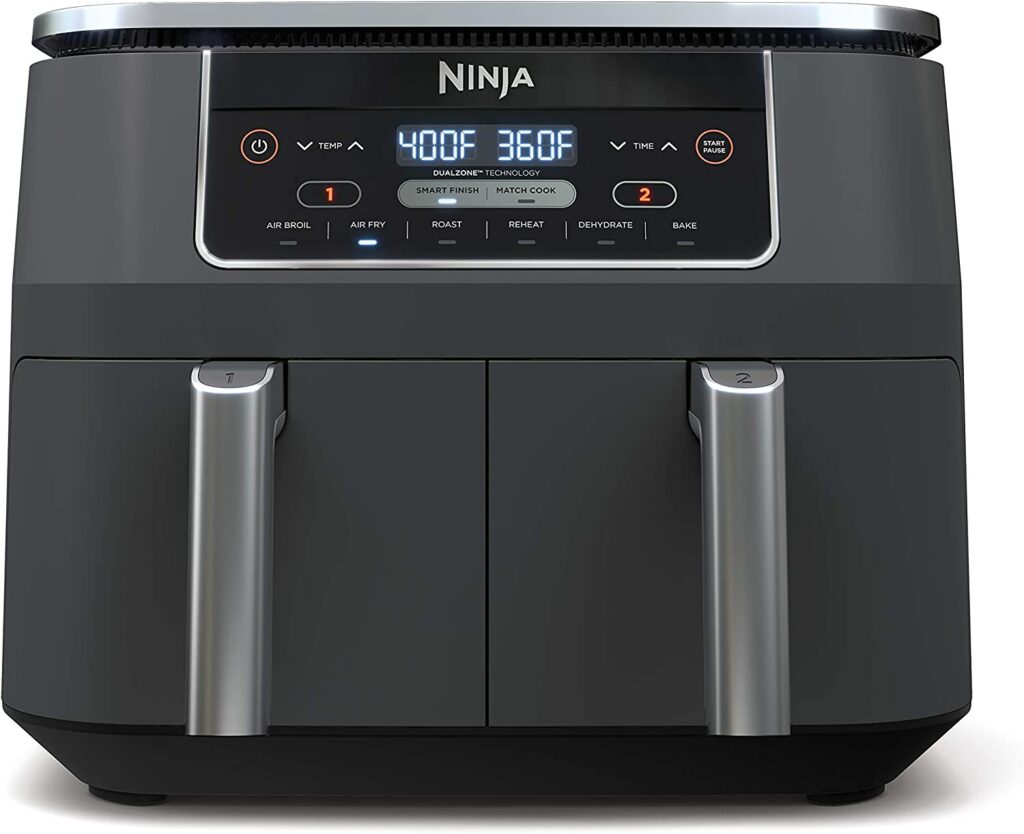
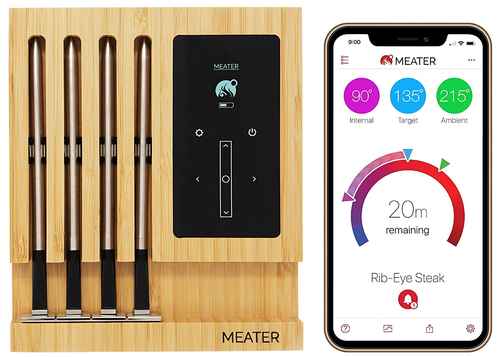
Fruit leather is a timeless snack that balances natural sweetness, portability, and nutritional value in one chewy, vibrant sheet. Traditionally made by dehydrating pureed fruit over long hours in an oven or food dehydrator, fruit leather can now be made conveniently in an air fryer, offering speed, simplicity, and consistent results. The air fryer, known for its hot air circulation technology, can replicate the low, steady drying process needed for fruit leather while maintaining its vibrant flavors and smooth texture. In this guide, we’ll explore the ideal techniques, temperatures, timing, and troubleshooting tips so you can confidently create fruit leather that’s perfectly pliable, chewy, and full of concentrated fruity goodness.
Optimal Air Fryer Temperature To Make Fruit Leather In Air Fryer
The key to perfect fruit leather in an air fryer lies in controlling heat. Fruit leather is delicate: too high a temperature can scorch the sugars in the fruit, leaving it caramelized or bitter, while too low a temperature prolongs drying time and risks uneven texture.
Most air fryer recipes suggest a low and steady temperature between 120°F to 140°F (49°C to 60°C). Some high-end models allow temperature settings as low as 100°F, which is ideal for extremely slow dehydration, preserving the natural color and nutrients of the fruit. Maintaining consistent temperature is crucial because hot spots in the air fryer can cause the fruit leather to dry unevenly, creating brittle patches alongside sticky areas.
How Long To Make Fruit Leather In Air Fryer
Cooking time depends on fruit type, thickness of the puree, and air fryer model, but generally ranges from 2 to 4 hours.
- Thinly spread purees (1/8 to 1/4 inch) may take around 2-2.5 hours.
- Thicker layers (up to 1/2 inch) can require 3.5-4 hours.
It’s essential to check the fruit leather periodically after the first 2 hours to prevent over-drying. Unlike an oven, air fryers circulate hot air quickly, so fruit leather can sometimes finish faster than anticipated.
How To Tell If It Is Done
Perfect fruit leather should be pliable and slightly tacky, but not sticky to the touch. You can test it by:
- Gently lifting a corner – it should peel off the parchment paper or silicone mat cleanly.
- Bending it – it should fold without cracking or tearing.
- Touching the surface – it should feel dry to the touch but not hard or brittle.
If it’s overly sticky or wet, return it to the air fryer for additional drying. If it cracks when bent, it was over-dried and will be tough.
Ingredients Needed
The ingredients for fruit leather are simple, making it a customizable and healthy treat:
- 2-3 cups of fresh or frozen fruit (e.g., strawberries, mangoes, apples, blueberries)
- Sweetener (optional): honey, maple syrup, or sugar to taste
- Lemon juice: 1-2 teaspoons to preserve color and enhance flavor
- Optional flavorings: vanilla extract, cinnamon, or ginger
Fruit leather is highly versatile-mix fruits, experiment with spices, or even add finely chopped nuts for texture.
How To Make Fruit Leather In Air Fryer
- Prepare the fruit puree: Wash, peel (if necessary), and chop fruit. Blend until smooth. Sweeten and add lemon juice or flavorings as desired.
- Prepare the air fryer tray: Line the tray with parchment paper or a silicone mat to prevent sticking.
- Spread the puree: Pour the blended fruit onto the tray and spread it evenly, about 1/8 to 1/4 inch thick for uniform drying.
- Set the air fryer: Preheat at 120-140°F and place the tray in the basket.
- Dry the fruit: Allow it to dry for 2-4 hours, checking periodically. Rotate the tray if your air fryer has uneven heat circulation.
- Cool and remove: Once the leather is pliable and no longer sticky, let it cool completely. Peel it off and cut into strips. Roll the strips in parchment paper for storage.
What If I Use A Different Air Fryer Temperature?
- Higher temperature (>150°F / 65°C): The fruit leather may dry too quickly, potentially causing browning, caramelization, and a brittle texture. Flavors can also become harsh.
- Lower temperature (<120°F / 49°C): The drying process will be prolonged. While this preserves nutrients and color, it may require patience and occasional stirring or spreading to avoid uneven drying.
What If I Use A Different Air Fryer Cooking Time?
- Shorter time: Fruit may remain sticky and under-dried, leading to a mushy texture that won’t roll or peel properly.
- Longer time: Over-drying can cause cracking and brittleness, making the fruit leather difficult to eat and unappealing in texture.
The key is to test for doneness by touch and flexibility rather than relying strictly on timing.
When Things Go Wrong
Even with careful technique, fruit leather can sometimes be tricky:
- Sticky or wet: Spread the puree thinner or increase drying time slightly.
- Cracked or brittle: Reduce the drying time or slightly lower the temperature next batch.
- Uneven drying: Rotate the tray, and if necessary, stir or spread thicker portions thinner.
- Burnt edges: Use parchment paper or silicone mats and lower the temperature slightly.
Expert Tips
- Choose ripe fruit: Riper fruit has more natural sugars, resulting in sweeter, smoother leather.
- Blend thoroughly: Any chunks can prevent even drying.
- Use a silicone mat for large batches: It’s easier to remove and reduces the chance of sticking.
- Thin is better: A thin, uniform layer dries faster and evenly, preventing overcooked edges.
- Store properly: Roll with parchment paper and store in an airtight container. Fruit leather can last up to a month in a cool, dry place.
FAQs
Can I Make Fruit Leather In Any Type Of Air Fryer?
Most air fryers can be used to make fruit leather, but it works best with models that have a dehydrating function or adjustable low-temperature settings. Air fryers with a compact basket may require cutting the fruit mixture into smaller portions to ensure even drying.
What Types Of Fruits Are Best For Making Fruit Leather In An Air Fryer?
Soft, ripe fruits like mangoes, strawberries, peaches, and apples work best because they puree smoothly and dry evenly. You can also mix fruits for different flavors, but avoid fruits with high water content like watermelon unless you adjust the cooking time to prevent sogginess.
Do I Need To Add Sugar Or Other Sweeteners To The Fruit Leather?
Adding sugar is optional. Many fruits are naturally sweet enough to make flavorful leather without additional sweeteners. Honey, maple syrup, or agave can be used if a sweeter taste is desired, but remember that added sugars may slightly change the drying time.
What Is The Recommended Temperature And Cooking Time For Making Fruit Leather In An Air Fryer?
Set the air fryer to a low temperature, typically between 130°F to 140°F (55°C to 60°C), if your model allows. Drying usually takes 2 to 4 hours depending on the fruit’s water content and thickness of the puree. Check periodically to prevent over-drying or burning.
Should I Use A Liner Or Tray When Making Fruit Leather In An Air Fryer?
Yes, using a silicone baking mat, parchment paper, or a reusable air fryer liner is essential to prevent sticking. Spread the fruit puree evenly to a thin layer for uniform drying and easier removal after dehydration.
How Do I Store Fruit Leather After Making It In The Air Fryer?
Once fully dried and cooled, fruit leather should be rolled in parchment paper and stored in an airtight container. It can be kept at room temperature for up to a month or refrigerated for 2 to 3 months. Freezing is also an option for longer storage.
Can I Make Fruit Leather Without Any Added Preservatives?
Yes, air fryer fruit leather can be made entirely naturally without preservatives. Ensure the fruit is fully dried to prevent mold growth and store it in a cool, dry place. Using acidic fruits like citrus or adding a small amount of lemon juice can help preserve color and extend shelf life naturally.